Some country songs flirt. Conway Twitty’s “You’ve Never Been This Far Before” practically kicks the bedroom door open, then politely asks you to close it behind you. Released at a time when mainstream country still liked its desire coded and coy, the song made intimacy explicit without getting crude – a tightrope Twitty walked better than almost anyone.
It is easy to file this track under “sexy country classic” and move on. But the song’s real story is bigger: it is about how Nashville sold grown-up romance, how radio negotiated taste, and how Twitty turned a whispered fantasy into a No. 1 country record that still raises eyebrows.
What the song is (and why it caused a stir)
“You’ve Never Been This Far Before” is a slow-burning seduction framed as a conversation in real time. The narrator notices the moment crossing from flirting to something more and, instead of retreating, leans in – narrating consent, hesitation, and escalating closeness like a scene, not a slogan.
Twitty’s genius is that the lyric is direct yet careful: it lingers on the psychological turn (“we’re past the point of pretending”) as much as the physical. That balance is why the song could be scandalous and commercially viable in the same breath.
“I know you’ve never been this far before.” – Conway Twitty
Release, writers, and the basic facts
Conway Twitty recorded the song in the early 1970s at the height of his imperial run as a country hitmaker. The track is commonly credited to Conway Twitty himself as songwriter, and it was issued as a single that topped the U.S. country chart – details reflected in standard reference listings for the song’s release and chart history.
The official biography of Conway Twitty emphasizes his long, cross-genre career arc (rock and roll beginnings, then country superstardom) – crucial context for understanding why he had the confidence to push lyrical boundaries.
How Twitty sells the moment: voice, phrasing, and restraint
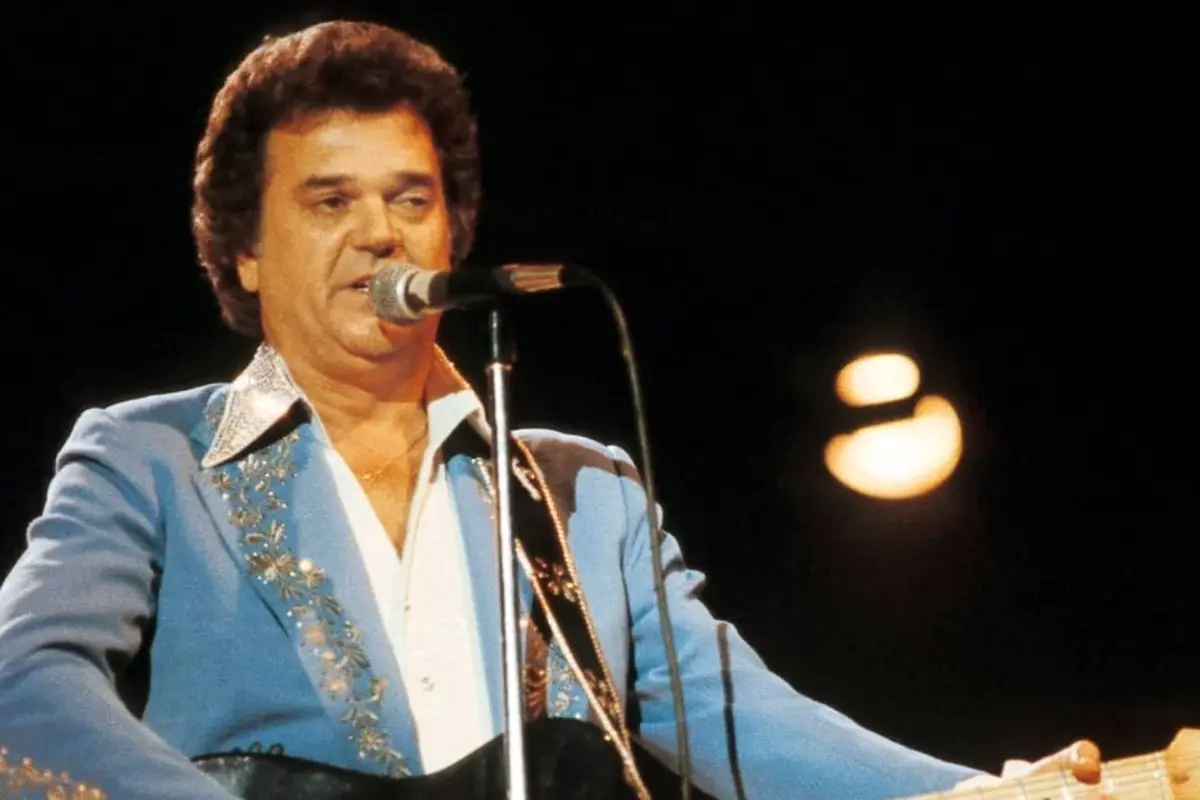
The performance is the entire argument. Twitty does not belt; he speaks-sings, letting breath and micro-pauses do the heavy lifting. That approach turns the lyric into something private – like the listener is eavesdropping on two people inches apart.
Technically, it is a masterclass in control. He slides into notes rather than attacking them, and he saves the biggest emotional peaks for the last third of the song. The band stays disciplined too: soft rhythm section, gentle dynamics, and space where other producers might have added drama.
Why this matters to musicians and singers
- Tempo discipline: the slow groove keeps tension without becoming sleepy.
- Breath as storytelling: the pauses feel like consent checkpoints, not empty space.
- Vowel choices: Twitty shapes long vowels to sound warm, not theatrical.
Country radio, “adult” lyrics, and the era’s unspoken rules
In early-1970s country, divorce songs, cheating songs, and drinking songs were normal. What felt risky was erotic immediacy – not romance, but arousal. Twitty’s song challenged an unwritten rule: you could imply the bedroom, but you should not narrate it.
That is why the track gained a reputation as one of Twitty’s most provocative recordings. It was not pornographic; it was too emotionally aware for that. The controversy was about tone: it sounded like something meant for adults, and it refused to apologize.
Chart performance: the polite way to say “everyone listened anyway”
Whatever discomfort it sparked, the record’s commercial results were clear: it went to No. 1 on the U.S. country chart, reinforcing Twitty’s status as a dominant singles artist.
Internationally, it also registered in places where American country singles occasionally crossed over, and U.K. chart database records for the song document its presence in Official Charts search results.
The “sex symbol” factor: Twitty’s image wasn’t an accident
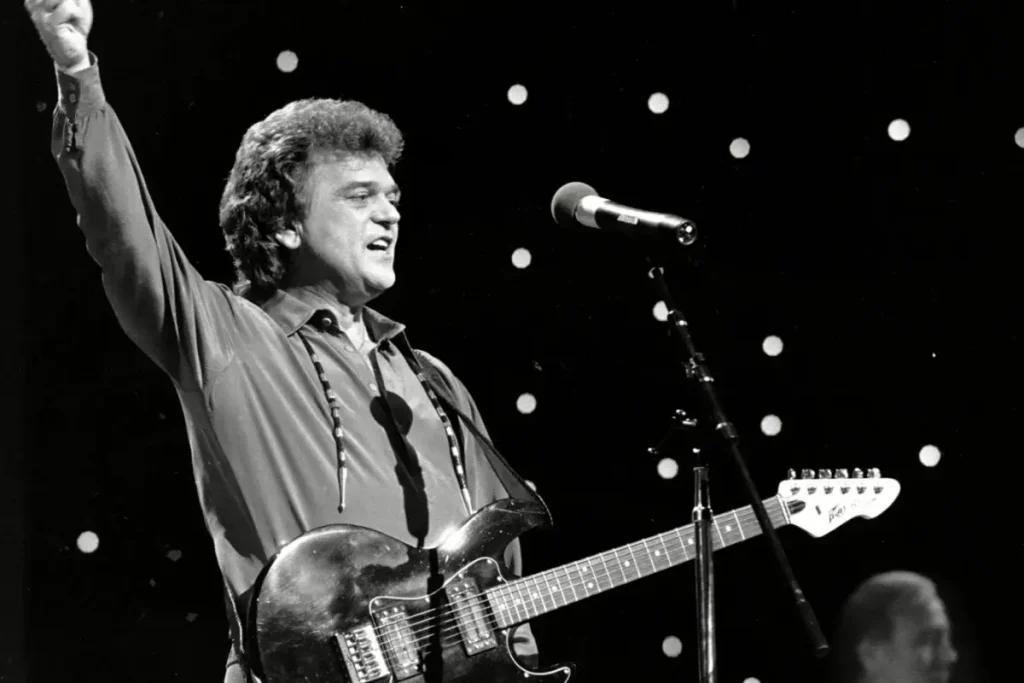
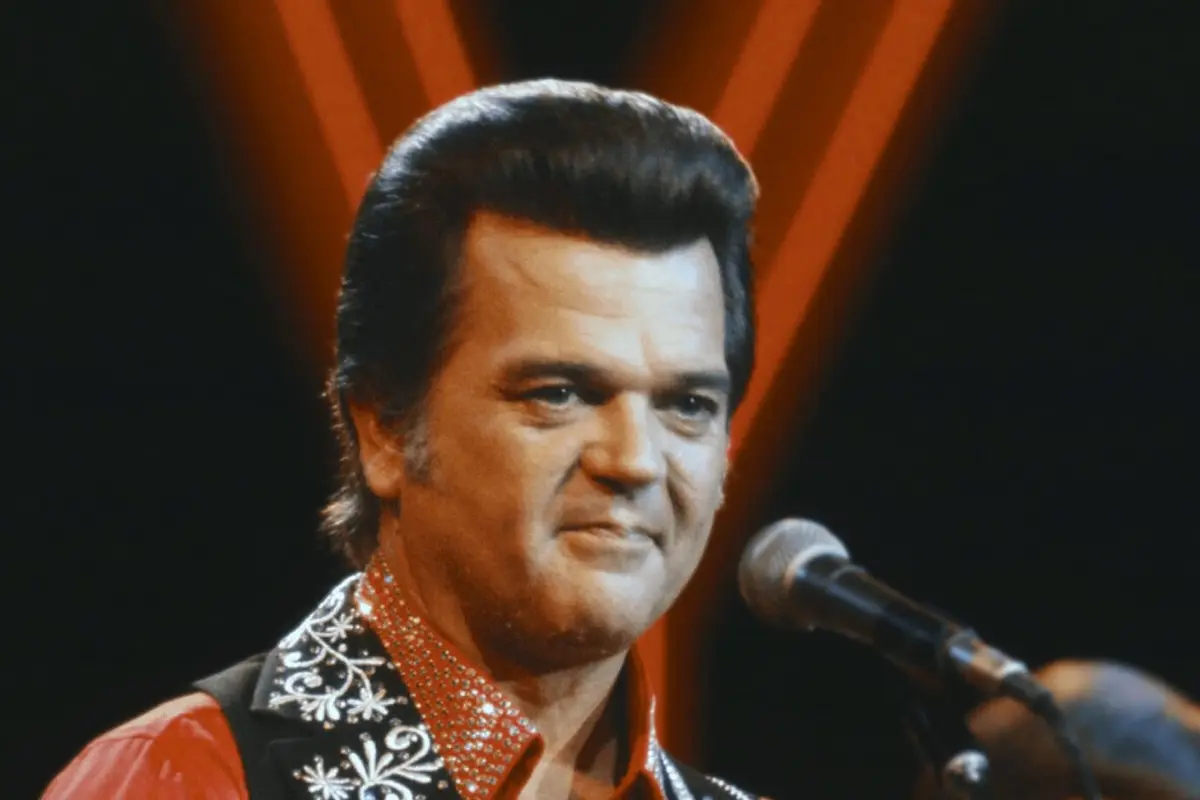
Twitty’s appeal was not just his baritone. He built a persona: romantic, confident, slightly dangerous, and extremely attentive. In other words, he sounded like a man who knew what he was doing – and that made songs like this believable.
His official biography frames him as a major entertainer with a massive fanbase and a career that spanned decades, which helps explain why he could take risks without losing his audience.
Listening guide: what to notice if you revisit the track today
The song has been copied, parodied, and referenced, but the original still lands because it is built from small choices. Try listening with these “production goggles” on.
1) The opening minute
Notice how quickly the lyric establishes proximity. There is no big narrative setup; you are already in the room. That immediacy is part of the scandal – and part of the hook.
2) The way the band stays out of the way
The arrangement avoids flashy fills. That restraint leaves the vocal as the focus, and it prevents the song from turning into melodrama.
3) The emotional pivot
The singer reads the other person’s hesitation, then keeps going with a kind of reassuring intensity. Whether you hear it as tender or manipulative depends on your lens – and that ambiguity is why the track still provokes debate.
Is it romantic or problematic? A grown-up way to argue about it
Modern listeners bring modern ears. Some will hear a sensual, consensual scene between adults. Others will hear pressure in the phrasing: the narrator is steering, not asking. Both reactions can be honest, because the lyric is written from the pursuer’s perspective and leaves the partner mostly silent.
Here is the provocative claim: the song’s lasting power is not that it is “sexy.” It is that it dramatizes the ethics of desire – how people push, pause, read signals, and justify the next step. That is a more uncomfortable theme than simple seduction, and it is why the record still feels alive.
Where it sits in Twitty’s legacy
Conway Twitty is regularly discussed as one of the defining male voices in country music, both for his run of hits and his ability to project intimacy at arena scale. Institutions like the country music museum and hall-of-fame institution that chronicles the genre’s key figures present him as a foundational figure in the genre’s modern era.
Meanwhile, broader music institutions note his stature as a major recording artist, reinforcing that his impact went beyond a niche audience. The GRAMMYs’ recording-industry institution reflects his place within the larger recorded-music canon.
How to play it: practical tips for bands and singers
If you cover this song, you are not just covering chords – you are covering a mood. The fastest way to ruin it is to over-sing or over-arrange.
For singers
- Sing quieter than you think you should. This song wants “confidential,” not “spotlight.”
- Keep consonants soft. Hard T’s and K’s can sound aggressive in a lyric like this.
- Choose your point of view. Are you tender, cocky, or conflicted? Decide before you open your mouth.
For the band
- Let the vocal lead the tempo. A tiny push and pull adds tension.
- Use dynamics like lighting. Slight swells feel like closeness increasing.
- Avoid busy fills. Space is part of the seduction.
Quick reference table: why it still hits
| Element | What Twitty does | What you feel |
|---|---|---|
| Lyric POV | Real-time intimacy, minimal plot | Immediate tension |
| Vocal | Breathy, controlled, conversational | Private, close-up mood |
| Arrangement | Understated backing | Focus on the “scene” |
| Cultural impact | Adult content without comedy | “Did he really say that?” thrill |
Best ways to experience it now
Hearing the original recording matters because so much of the song is in the micro-details: the breath, the pauses, the confidence that never turns into shouting. Listening via an official upload of the original recording also helps you compare performances and mixes over time.
If you want to place it in a bigger narrative, look at Twitty’s broader catalog and career framing from an authoritative overview. The official Conway Twitty site is a solid starting point for that context.
Conclusion: the line it crossed on purpose
“You’ve Never Been This Far Before” is not just a “dirty country song” for the joke list. It is a carefully engineered piece of adult pop-country, built on restraint, timing, and a singer who understood the power of a whisper.
Twitty didn’t accidentally scandalize Nashville. He proved that country music could talk plainly about desire, sell millions doing it, and still sound like a gentleman while lighting the match.
One last reminder: if you cover it, commit to the intimacy. If you do not, it is just slow chords and a risky lyric.
Note: This article discusses themes of adult intimacy as presented in the song’s lyrics.