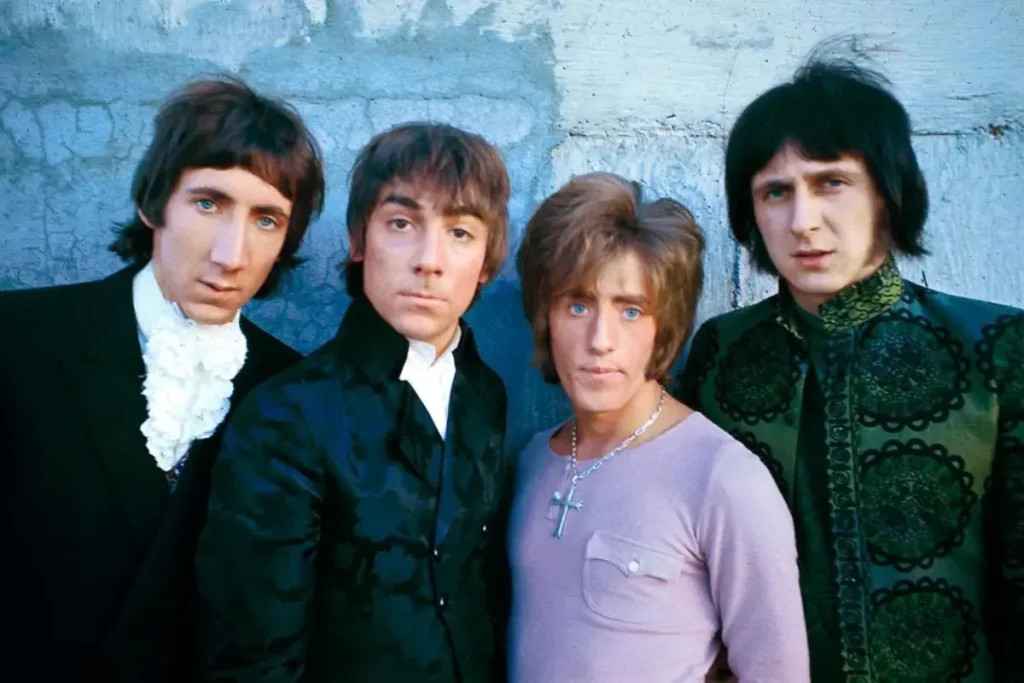
In the mid-60s, The Who did something rare: they sounded like the future while looking like a gang you wouldn’t want to meet in a dark alley outside a London club. They were a mod band with R&B roots, but also a laboratory for volume, feedback, and pop-art provocation. If The Beatles were expanding pop’s imagination and The Stones were selling danger, The Who were turning impact into an art form.
This era is where the band’s myth hardens into fact: Pete Townshend’s windmill chords, Keith Moon’s manic precision, John Entwistle’s lead-bass approach, and Roger Daltrey’s voice as a blunt instrument. The mid-60s is also where their contradictions come alive: smart but savage, theatrical but combustible, political without being preachy.
From The High Numbers to The Who: picking a side in the mod war
Before they were The Who, they briefly tried to be the perfect mod accessory. Early on, the group performed as The High Numbers, a name built for a scene where the right suit mattered almost as much as the right record. The pivot to “The Who” was more than branding; it was a move away from being a scene-specific product and toward becoming a band that could swallow scenes whole.
The mod connection wasn’t costume-only. It shaped their early set lists, their attitude toward American R&B, and their desire to be louder and sharper than the competition. The band’s official timeline of those early-name shifts captures the pace of their rise through London’s clubs and beyond.
The sound: R&B worship, weaponized volume, and controlled chaos
Mid-60s Who is often described as raw, but that misses the point: it’s designed rawness. Townshend’s guitar style punches holes in the mix, while Entwistle fills those holes with lines that behave like a second lead instrument. Moon plays like the drums are a steering wheel and the song is trying to crash the car.
What made it revolutionary was how these elements worked together at high intensity without dissolving into mush. The BBC’s profile of their explosive performances underlines how quickly they became known for a brash, modern identity.
Feedback as a feature, not a mistake
“Anyway, Anyhow, Anywhere” is a clue to where rock was headed: noise used as structure. Feedback and chaos aren’t just decoration; they’re part of the hook, the signature, the threat. Reference overviews of the band’s catalog and early era note it as a key early single, and it remains a mid-60s marker for how quickly The Who moved beyond standard pop arrangement.
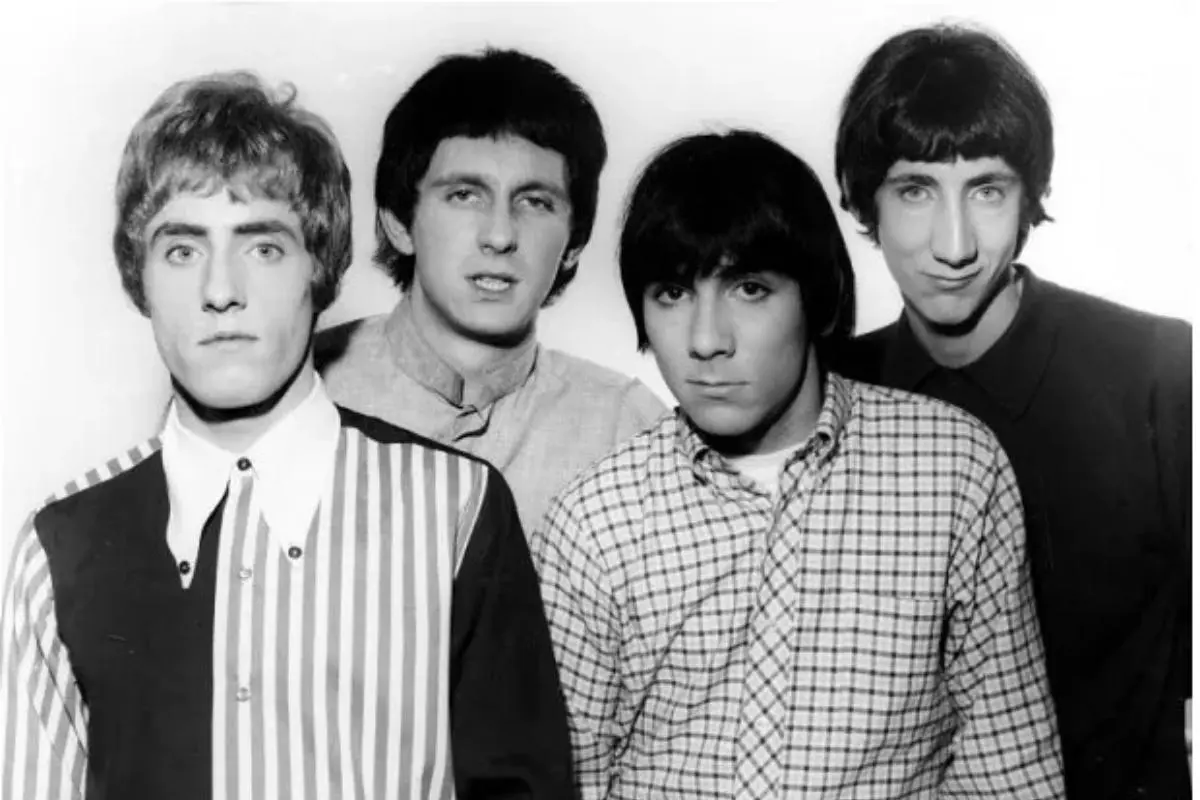
The singles run that turned them into a movement (1965-1967)
If you want the mid-60s story in a straight line, follow the singles. Each one sharpens a different blade: teen frustration, identity panic, lust, class pressure, and that uniquely British mix of comedy and menace.
| Single | What it did to pop | Why it still matters |
|---|---|---|
| “I Can’t Explain” | Took mod energy into punchy, radio-ready form. | Early proof they could compress rage into hooks, which shows up clearly in the band’s early-release and recording timeline. |
| “My Generation” | Made stammering defiance sound like a slogan. | Codified youth rebellion as anthemic pop language, a reputation captured in write-ups of the song’s lyrics, impact, and lore. |
| “Substitute” | Turned identity crisis into something you could dance to. | A brilliantly cynical take on authenticity and status, with the era’s look embodied by artifacts like Townshend’s mod stage outfit. |
| “The Kids Are Alright” | Softened the threat without losing the edge. | Shows their emotional range early, not just volume – part of what’s outlined in general summaries of their mid-60s output and evolution. |
| “I’m a Boy” | Put gender and identity confusion into a pop single. | Still provocative, still tender, still unsettling – qualities that come through in long-form writing on Townshend’s themes and contradictions. |
| “Happy Jack” | Went oddball and catchy at the same time. | Hints at the narrative, character-driven Who to come, a through-line emphasized in overviews of their songs and career arc. |
| “Pictures of Lily” | Smuggled sexual frustration into bright pop. | Cheeky on the surface, bleak if you listen closely. |
“My Generation” as a mid-60s cultural grenade
“My Generation” doesn’t just complain; it dares adults to clutch their pearls. It’s often remembered for the line about dying before getting old, but its real power is the vocal attitude: the feeling that the speaker refuses to behave properly even in his own song.
“I hope I die before I get old.”
The Who, “My Generation” (written by Pete Townshend)
The fact that the lyric became a cultural shorthand for youth revolt shows how completely it escaped its original moment. The song’s afterlife is obvious in how people keep parsing the stutter and sneer decades later.
The mid-60s albums: fast evolution in real time
The Who’s early albums are sometimes treated like “pre-history” before the big rock operas. That’s a mistake. The mid-60s LPs are where they tested the limits of what a rock band could be: aggressive singles band, experimental studio act, and loud live unit, all at once.
My Generation (1965): a band that sounds like it’s trying to break out of the speaker
The debut album is lean, sharp, and confrontational. It carries their R&B devotion while hinting at their future obsession with original songs that behave like short stories.
A Quick One (1966): pop weirdness, darker jokes, bigger ambition
By 1966, The Who weren’t just sprinting. They were changing lanes mid-song. A Quick One makes room for humor, character sketches, and stitched-together mini-suites that foreshadow Townshend’s later long-form writing.
The Who Sell Out (1967): pop art with teeth
While slightly beyond “mid-60s” in the strictest calendar sense, The Who Sell Out is the payoff of everything they learned between 1965 and 1966. It’s funny, self-aware, and sneaky about commerce and identity.
Smashing guitars: stunt, symbol, or sincere violence?
The instrument-smashing legend can be misunderstood as pure gimmick. In the mid-60s UK club circuit, it was also a way to make a statement: a performance that physically demonstrated frustration and excess. It’s both ridiculous and strangely honest, which is why it stuck.
Townshend has described the earliest smashing as something that began almost accidentally and then took on its own momentum.
Why The Who felt more dangerous than their peers
Plenty of 60s bands were “rebellious.” The Who felt volatile because their rebellion wasn’t just lyrical; it was musical architecture. They left sharp edges in the sound, they embraced mistakes as texture, and they made the rhythm section feel like a riot that somehow kept time.
Oxford Reference’s overview of the band frames their importance within rock history and the way their style and stage approach set them apart in a crowded era.
Mid-60s listening: what to notice if you play an instrument
This is Know Your Instrument territory, so let’s get practical. The Who’s mid-60s recordings are a masterclass in how to sound huge without modern studio trickery.
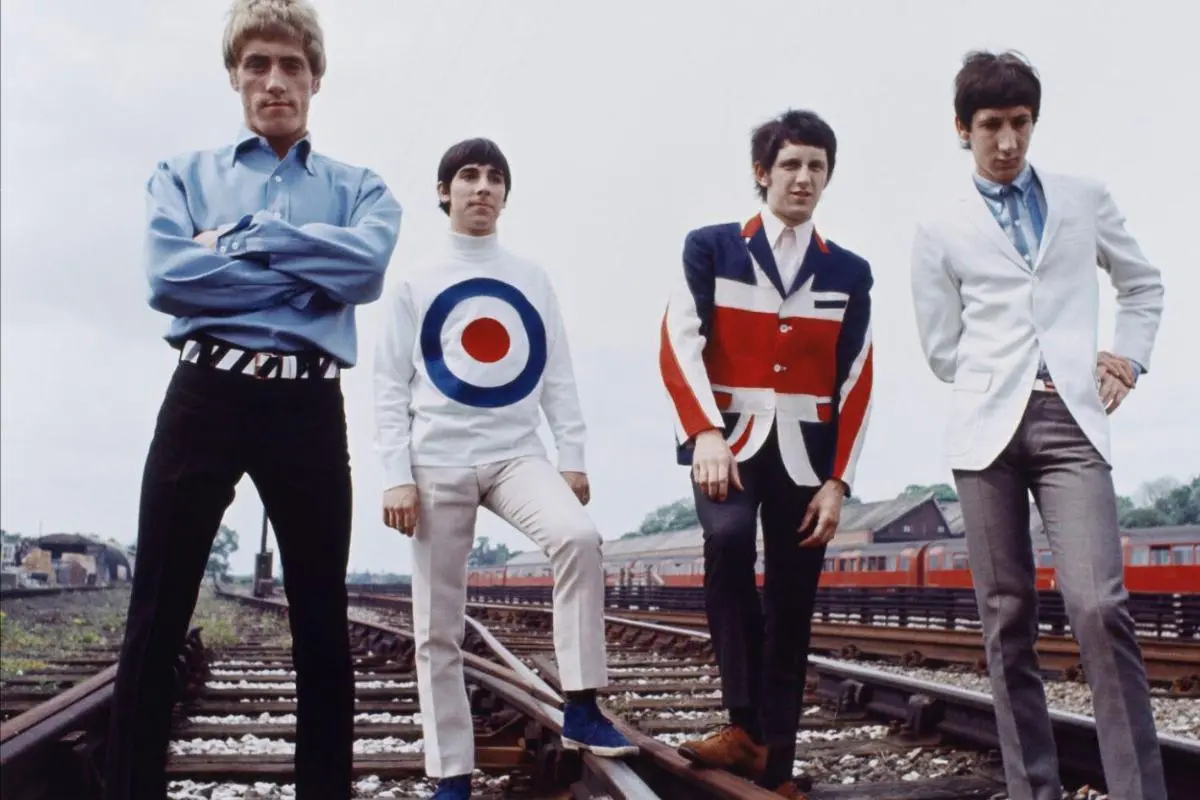
Guitar (Townshend)
- Rhythm as lead: Many parts are built from percussive chord attacks rather than melodic noodling.
- Dynamic control: Even at high volume, the parts often hinge on muting and release, not constant sustain.
- Arrangement discipline: The guitar leaves space for bass movement rather than fighting it.
Bass (Entwistle)
- Melodic counterpoint: Lines frequently answer the vocal rather than simply support the root.
- Articulation matters: Listen for pick-like clarity and fast note definition in busy sections.
Drums (Moon)
- Fills as momentum: The fills don’t “decorate” the groove; they push it forward.
- Cymbal punctuation: Crashes often function like exclamation points in a sentence.
A quick “mid-60s Who” starter playlist (with a purpose)
If you want a tight crash course, sequence these not by popularity, but by how they show the band evolving:
- “I Can’t Explain” (compression and bite)
- “Anyway, Anyhow, Anywhere” (noise becomes identity)
- “My Generation” (anthemic defiance)
- “Substitute” (identity satire)
- “The Kids Are Alright” (vulnerability without softness)
- “I’m a Boy” (storytelling and provocation)
- “Pictures of Lily” (dark comedy under bright pop)
Legacy: the mid-60s blueprint that later rock bands stole shamelessly
By the end of the mid-60s, The Who had effectively written a user manual for hard rock and punk: keep the chords simple, make the rhythm section aggressive, treat the studio like a weapon, and never apologize for being loud. The influence is obvious in later British rock, American garage, punk’s economy, and even metal’s obsession with power.
Even basic discography databases show how concentrated and productive their early run was, with rapid-fire singles and sessions that would make modern release cycles look sleepy.
Conclusion: The Who didn’t just soundtrack the mid-60s, they stress-tested it
The Who around the mid-60s were not “classic rock” yet. They were a living argument about what youth culture sounded like when it stopped asking for permission. Put on the early singles with good speakers and you’ll hear it: pop music learning how to fight back.
If you want the cleanest takeaway, it’s this: The Who weren’t merely loud for attention. They were loud because the songs demanded a bigger container than the era had built, and they were happy to smash the container to prove it.