Woodstock is remembered as a love-in with guitars. It was also a logistical car crash that somehow turned into a cultural miracle – and that contradiction is exactly why it still matters.
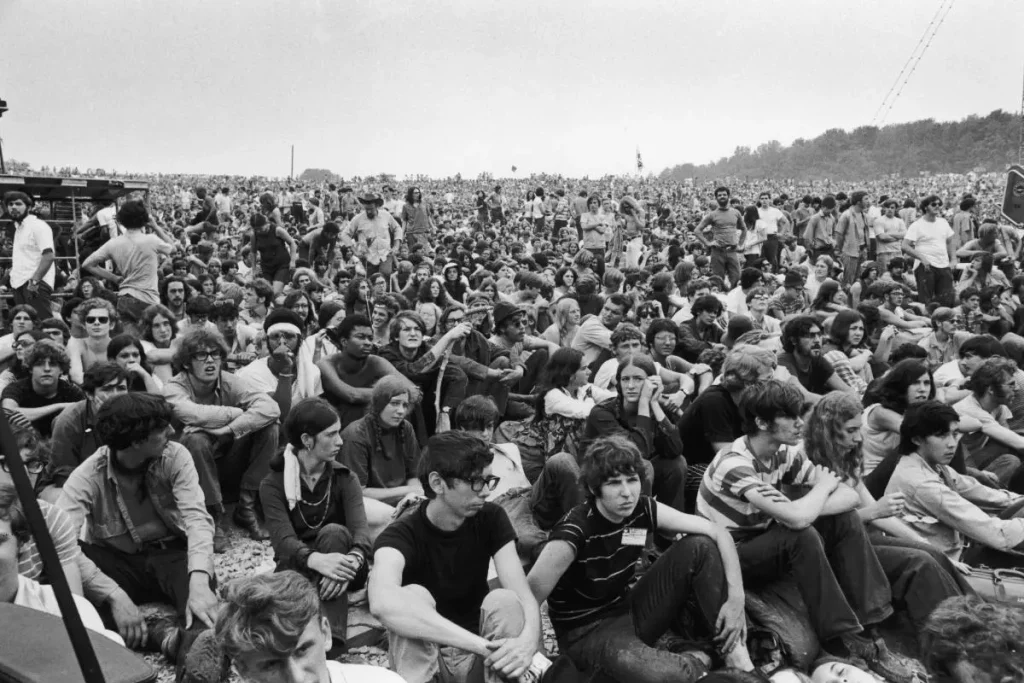
Held August 15-18, 1969 on Max Yasgur’s dairy farm in Bethel, New York, Woodstock attracted a crowd often estimated at more than 400,000 people and became a symbol of the counterculture at its loudest and most idealistic. The myth is useful, but the real story is better: a festival that “worked” precisely because it stopped pretending it could control anything.
What Woodstock actually was (and where it really happened)
The official name was the Woodstock Music and Art Fair
, and the location was Bethel, not the town of Woodstock. If you have ever corrected someone at a dinner table, congratulations – you are keeping the historical record alive.
Library of Congress materials connected to the festival’s film and audio legacy underline just how quickly Woodstock became an artifact, not merely an event. In other words: it was archived almost as fast as it was experienced, which helped cement the legend.
The “free concert” nobody planned (and why that changed everything)
Woodstock was supposed to be a ticketed festival, but the crowd size and site conditions made the gates meaningless. Once the fences failed and traffic gridlocked the region, the festival effectively became free for most attendees.
This is the first provocative truth: Woodstock’s halo isn’t just peace and love – it’s the moment the economics of live music met reality. When a crowd is too big to police, the event turns into a temporary society. That society then decides what the rules are.
Counterculture idealism, meet mud
Weather turned the site into a muddy grind, and basic infrastructure struggled. Yet the weekend didn’t collapse into mass violence, which is a major reason it became an emblem of unity instead of a cautionary tale.
“We’re going to try to have a good time.”
Richie Havens, onstage at Woodstock (as captured in Woodstock film footage and widely quoted in festival histories)
That line hits because it is not philosophy. It is survival.
The lineup: not just legends, but a snapshot of rock’s identity crisis
Woodstock’s bill blended rock, folk, blues, and psychedelia into a single, messy statement. The artists weren’t marching under one flag; they were colliding in real time, and the audience loved the friction.
The festival’s official lineup and legacy materials highlight how broad the programming truly was, from acoustic sets to amplified chaos.
Five performances that explain why Woodstock became a yardstick
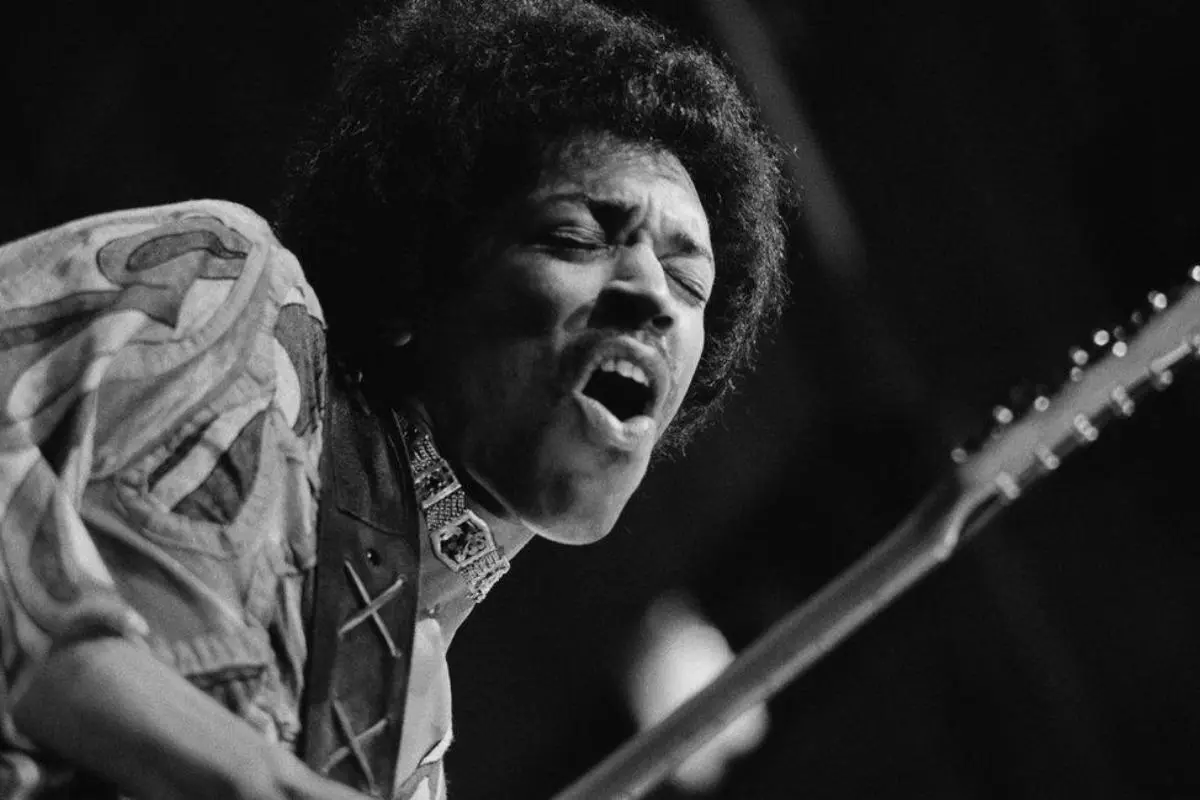
- Jimi Hendrix – a late-slot performance that turned the electric guitar into headline news, with “The Star-Spangled Banner” becoming the most argued-over guitar moment in American rock memory. Hendrix’s Woodstock live document continues to frame the set as defining.
- Janis Joplin – raw, unfiltered blues-rock that made “authenticity” feel dangerous, not cute. Her era-defining work and imagery still shapes the way her Woodstock mythos is remembered.
- The Who – a band built for confrontation, delivering a set that helped define what “festival rock” could sound like when it was sharp, loud, and theatrical. The band’s catalogue and legacy material keeps that period in view.
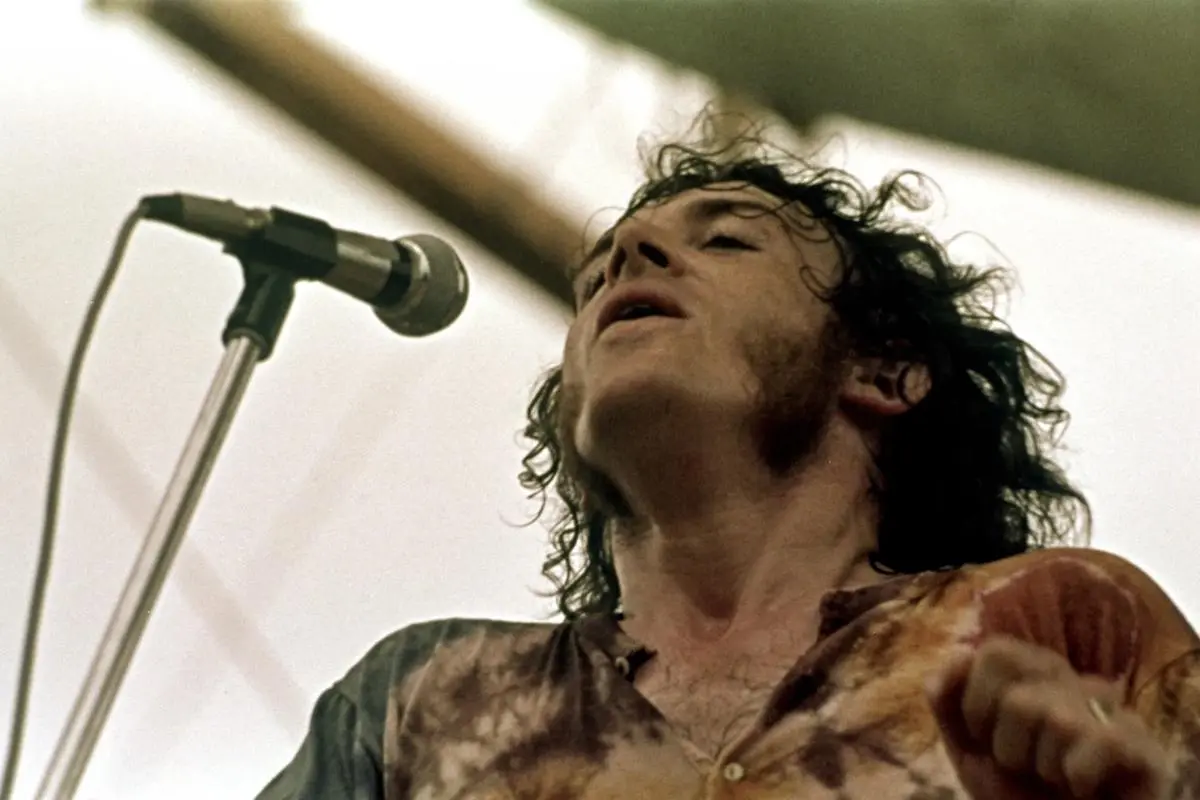
- Joe Cocker – the set that taught a generation of singers that you can treat your whole body like a percussion instrument and still land the song. (If you’ve ever seen an imitator, you’ve seen Woodstock’s long shadow.)
- Crosby, Stills, Nash & Young – the tension between harmony and nerves: a supergroup moment that felt both intimate and historic.
Why the Woodstock film mattered as much as the festival
If Woodstock had vanished into memory like countless other concerts, it would not be “Woodstock.” The documentary film and soundtrack taught people how to remember the event – and gave future festivals a template for self-mythologizing.
The film Woodstock (1970) became a major cultural distributor of the festival’s story, and its reputation is inseparable from how audiences picture the weekend. Film reference histories note the documentary’s impact and stature among music films.
The film’s long-running reputation with viewers also underscores how the movie version remains a core access point for new listeners and viewers who were never there.
Health, safety, and the part of the story people skip
It’s tempting to romanticize Woodstock as a utopia. But the uncomfortable angle is more instructive: a huge crowd, limited sanitation, heavy rain, and exhausted infrastructure is a recipe for real health risk.
Modern public health guidance makes clear how quickly water and sanitation problems can escalate into outbreaks when systems break down. The World Health Organization’s overview of cholera is a blunt reminder of what mass gatherings must plan for, even when the vibe is “peace.”
Woodstock avoided becoming a medical catastrophe on the scale it easily could have been, but it was not because the site was “safe.” It was because a lot of people improvised, helped strangers, and got lucky.
Woodstock as a brand: the moment a festival became an idea you could sell
Another edgy truth: Woodstock didn’t just symbolize the counterculture. It commercialized it.
Once the footage, posters, and recordings circulated, Woodstock became a story you could package: “Look what happens when you gather the kids, the bands, and the dream.” That template is still running today – every festival trailer that promises “community” is borrowing Woodstock’s language.
The museum and educational mission at the historic site shows how the name continues to function as a living cultural brand, not just a memory.
Bethel, New York: where the myth meets a real place
Woodstock’s physical home matters because it stops the story from floating away. The site at Bethel is not a metaphor; it is a landscape where weather, terrain, and distance shaped the experience.
Bethel Woods Center for the Arts, which now operates at the historic location, frames the festival’s history through its museum and educational mission – essentially turning a chaotic field into a curated memory.
The legacy: what modern festivals copied (and what they fixed)
Woodstock didn’t invent live music gatherings, but it did invent the modern festival myth: a giant crowd, a stacked lineup, a sense of generational meaning, and a story bigger than any one set. Today’s festivals learned from Woodstock in two different ways: they imitate the romance and engineer away the risk.
What Woodstock pioneered (intentionally or not)
| Woodstock trait | What it became in modern festivals |
|---|---|
| Genre collisions (folk, rock, psych, blues) | Multi-stage programming designed for cross-pollination |
| Audience as co-creator of the story | Social media documentation and fan culture as marketing |
| Unplanned “free” access | Controlled capacity, wristbands, and pricing tiers |
| Weather chaos | Event safety protocols, drainage planning, emergency comms |
| Iconic filmed moments | Professional livestreaming and festival-produced documentaries |
How to listen to Woodstock now (without drowning in the myth)
If you want to experience Woodstock as music, not wallpaper, treat it like an instrument lesson. Focus on what each artist was doing onstage: tone, dynamics, crowd control, and how they handled unpredictable conditions.
- Listen for adaptation: extended intros, slower tempos, longer breaks between songs.
- Listen for stage sound realities: vocal strain, drum bleed, and guitar volume choices that define late-60s live mixing.
- Watch body language: the film shows leadership, panic, humor, and fatigue in a way studio albums never can.
Conclusion: Woodstock’s real lesson is that the crowd was the headliner
Woodstock became a defining moment in rock history because it was bigger than any guitar solo: it was a mass experiment in what happens when music is treated as social glue. The mud and the chaos weren’t side notes – they were the pressure that revealed character.
That’s why Woodstock still haunts every modern festival. Promoters can book the bands and build the stages, but they can’t manufacture the one thing Woodstock proved is priceless: a crowd that decides to hold the world together for one long, loud weekend.