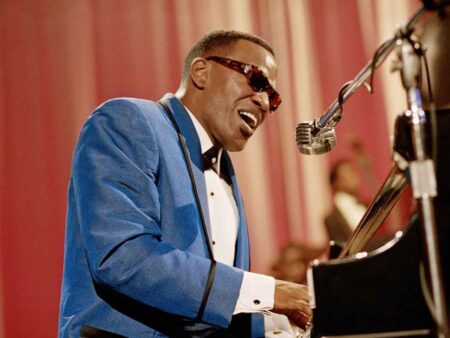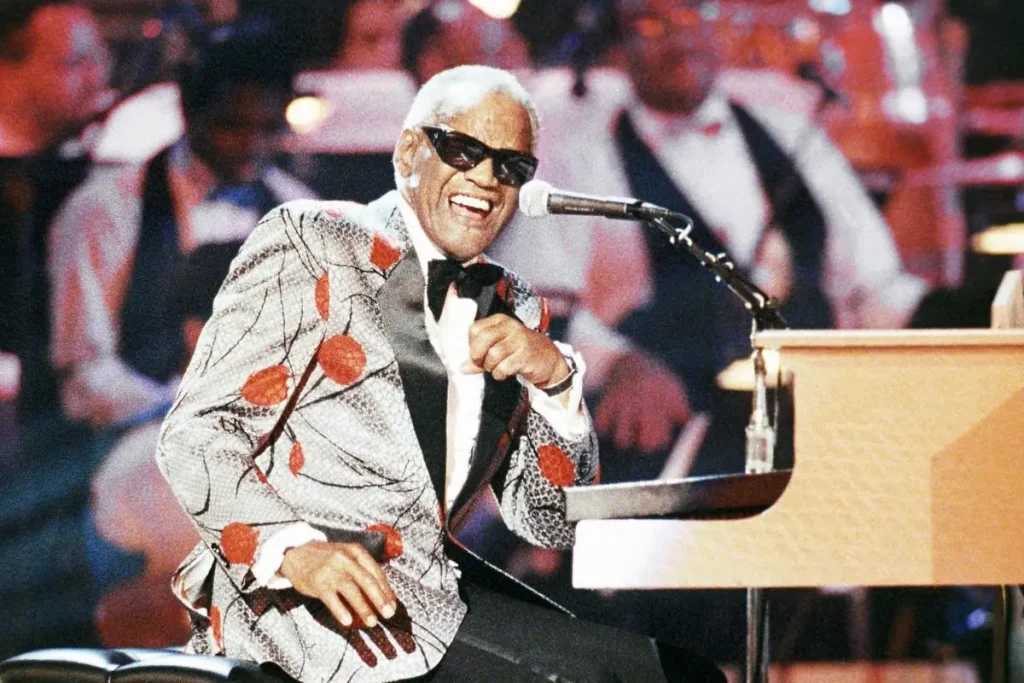
Ray Charles didn’t talk about music like a job, a passion, or even a calling. He talked about it like anatomy.
“Music is nothing separate from me. It is me. I can’t retire from music any more than I can retire from my liver.”
Ray Charles
That kind of statement is either grandiose marketing or a brutally honest description of how an artist survives. With Ray, the second interpretation fits the evidence: a career that fused gospel, blues, jazz, country, pop, and big-band arranging into something that sounded inevitable, not calculated.
His own explanation was simple: he was born with music inside him, even without a “musical family” story to lean on. Whether you take that literally or as poetic autobiography, it frames a useful question for musicians: what happens when you stop treating style as a costume and start treating it as a bloodstream?
“Born with music inside me”: biography as fuel, not branding
Ray Charles Robinson was born in 1930 and lost his sight in early childhood, then trained formally at a school for the blind where he learned music and the mechanics behind it. That mixture of hardship and craft matters because his “it’s in my organs” talk was not anti-technique, it was anti-separation between life and sound, a story captured in this broad overview of his life and major career arcs.
Industry narratives often reduce Ray to a handful of hits, but his working identity was closer to “musician’s musician”: pianist, bandleader, arranger, record-maker, and singer with control over feel and repertoire. The scope of his career and legacy helps clarify just how wide his musical appetite ran.
The edgy claim: Ray Charles didn’t “blend genres” – he ignored the walls entirely
“Crossover” is a safe word. What Ray did was riskier: he walked into rooms where the cultural rules said, “Don’t do that,” and did it anyway. His voice carried church phrasing into Saturday-night material, then turned around and carried country balladry into R&B without apologizing – a reach recognized in his importance across American popular music.
“The blues is the seasoning”: what he meant (and why it’s not optional)
Ray’s quote about blues being “like the salt in the food” is one of the most practical descriptions of style ever given by a major artist. He wasn’t saying every song must be a 12-bar blues. He was saying that the emotional grammar of the blues is portable: you can put it in almost any chord progression and it still reads as truth.
“You don’t necessarily have to be singing the blues blues… it’s that bluesy feeling, that emotion… The blues is the seasoning.”
Ray Charles
That “seasoning” idea has three musical components you can actually practice.
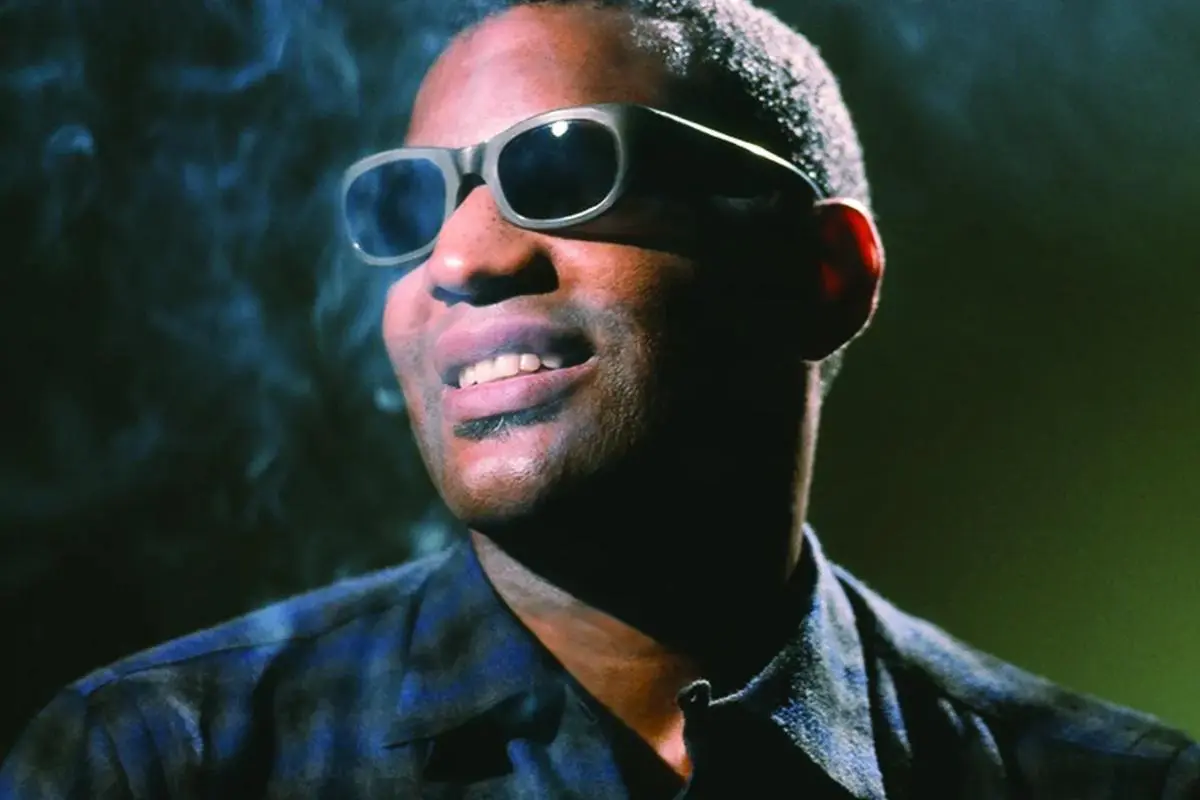
1) Micro-time: the pocket is a philosophy
Blues seasoning starts with time feel. Ray’s singing and piano don’t sit rigidly “on” the beat; they lean into it, behind it, then snap forward for emphasis. This is not sloppiness – it’s narrative timing. If you quantize Ray too hard, you don’t “tighten” him; you remove the meaning.
2) Pitch as speech: bends, scoops, and blue notes
Another part of the seasoning is pitch treatment. Ray uses scoops and fall-offs that mimic spoken emphasis. He’ll aim near a note, then land it like a punchline. That approach is why his ballad singing can feel conversational instead of “performed.”
3) Harmony that tells on you: gospel tension and release
Ray’s sound is often described as soul, but the engine is a specific blend: blues phrasing riding on gospel harmony and jazz-informed voicings. A listener may not name the chords, but they feel the emotional turn when a dominant chord blooms into release, a stature usefully framed by PBS in its American Masters documentary context.
The craft behind the myth: Ray Charles as a working bandleader
Ray’s “music is my liver” language can tempt people into mystical explanations. The unromantic truth is that his results came from decision-making under pressure: keys, tempos, arrangements, personnel, and repertoire that had to land night after night.
One reliable way to see him as a builder, not just a voice, is to follow the idea of how American music is preserved. The Library of Congress profile on Ray Charles in its essays and archives ecosystem reinforces that he belongs to the long story of American sound, not just the pop charts.
Ray’s “secret weapon” was consent to complexity
Most performers simplify to be marketable. Ray complicated things to be human. He could sound raw and sophisticated in the same phrase: a sanctified cry on top, piano voicings underneath that suggested jazz club harmony, and a rhythm section that stayed readable for dancers.
That’s also why copycats often fail. You can imitate Ray’s rasp, but if you don’t understand his harmonic instincts and rhythmic patience, you end up with a caricature.
“Soul” wasn’t a genre label – it was an operating system
Ray is routinely described as foundational to soul music, but the deeper point is that his method became a template: emotion-first delivery with professional-grade arranging. Once that template existed, the next generation could argue about categories. Before that, Ray just made records that made the categories look small.
For readers who want the “what happened when” without fanfare, this reference-format biography captures the shape of his career and significance.
One sentence about “retiring”: why Ray’s line still stings
When Ray said he couldn’t retire from music, he didn’t mean “I love my job.” He meant: take music away, and you’re taking away his way of processing existence. That’s an uncomfortable thought for hobbyists and pros alike, because it reframes music as identity, not activity.
There’s a reason audiences feel something almost physical when he sings: his performances don’t present emotion as decoration. They present emotion as evidence.
How to apply Ray Charles’s “blues seasoning” to your own singing or playing
This is the part most articles dodge because it requires specificity. Here are ways to use Ray’s philosophy without copying his voice.
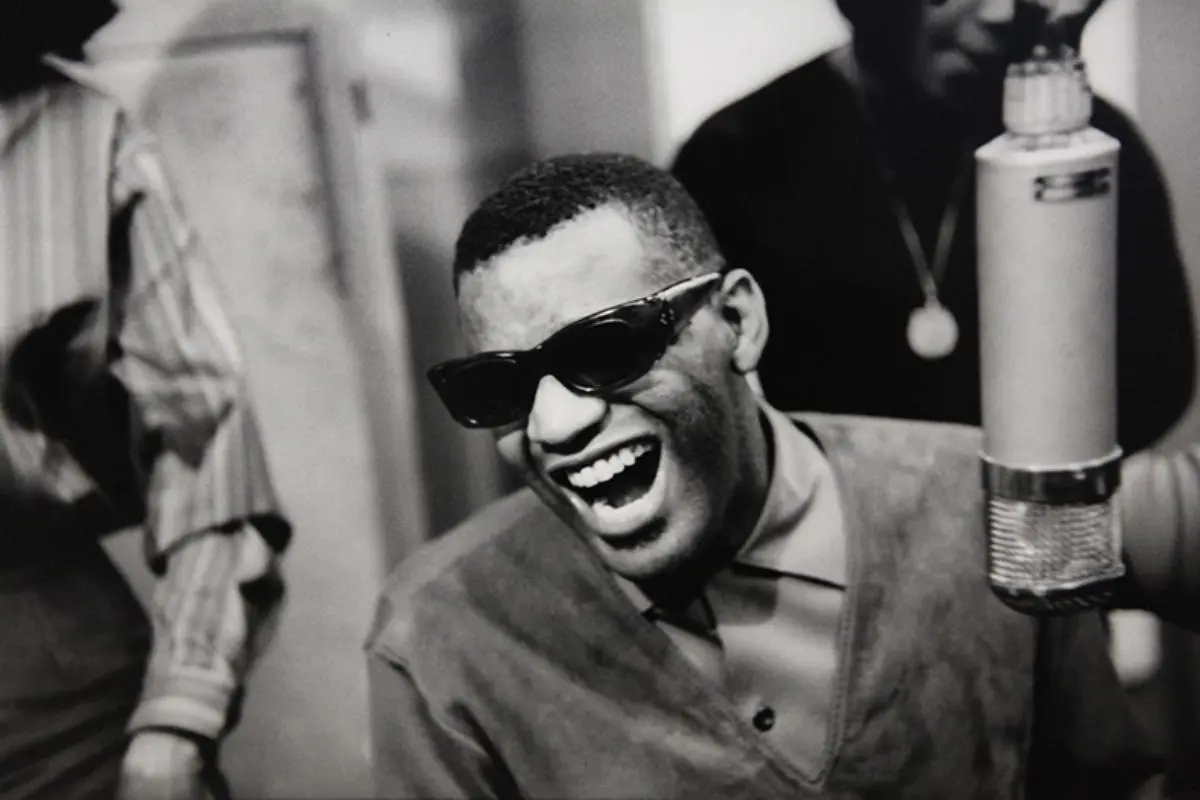
Practical exercises (no mystical nonsense)
- Speak the lyric, then sing it: read a verse like you mean it, mark where you naturally emphasize words, then sing while preserving that emphasis.
- Delay one phrase per section: intentionally sing one line slightly behind the beat, then return to the grid. You’re training controlled elasticity.
- Blue-note targeting: on a major-key song, practice touching the minor third briefly before resolving to the major third. Do it lightly, like seasoning, not syrup.
- Piano or guitar “answering”: after vocal phrases, answer with a short instrumental comment. Ray’s records often feel like a conversation between voice and band.
A quick “seasoning map” you can steal
| Song type | What most people do | What Ray’s principle suggests |
|---|---|---|
| Up-tempo R&B | Sing on top of the beat for excitement | Ride the pocket, then jump ahead only on key words |
| Country ballad | Go “clean” and polite | Add tiny blues inflections so the heartbreak sounds lived-in |
| Pop standard | Make it smooth and neutral | Make it conversational: bends, breaths, and intention over perfection |
Why “blues seasoning” is controversial (and why Ray didn’t care)
Ray’s approach pokes at cultural nerves: gospel phrasing in secular music, Black musical vocabulary entering mainstream pop spaces, and genre “ownership” debates that pretend music is pure. Ray’s career implies a blunt truth: American music is not pure. It’s a collision site.
His place in the tradition is clear in the Blues Foundation’s Blues Hall of Fame entry, even as his music expanded beyond any single box.
A numbers reality check: hits are not the whole story, but they’re part of it
Ray’s influence is sometimes described in reverent fog. Charts and catalog breadth provide a more concrete glimpse at his public impact across eras. MusicVF’s data-oriented view of his songs and chart activity works as a sanity check that his reach wasn’t just critical mythology.
Listening homework: the “Ray Charles triangle”
If you want to understand the quote that sparked this article, you need three kinds of listening. Don’t binge; compare.
- Raw emotion: listen for the vocal crack that still stays in rhythm.
- Arrangement intelligence: notice how horns and backing vocals frame the lead like a film score.
- Genre trespassing: hear how he keeps his identity while changing the setting.
The archived snapshots of Ray Charles’s NPR artist page are also a reminder that recorded sound is a historical artifact, not just entertainment – and that reputable pages can disappear or change structure over time.
When sources break: why Ray’s quotes still travel
Many classic interviews and obituaries now sit behind paywalls or have moved URLs, which is why certain “famous quote” pages float around without strong documentation. For researchers, web archives can help validate what once existed on a primary site before links rotted.
Ray Charles’s death at 73 is documented in the Los Angeles Times obituary report, an example of the kind of primary news record that can later become harder to access directly.
Conclusion: the real lesson in “music is my liver”
Ray Charles’s most extreme-sounding statements land because they match his work. His “music is me” philosophy is less a romantic slogan than a discipline: let your life inform your phrasing, let the blues season everything, and never confuse polish with truth.
If you want to honor Ray Charles as a musician, don’t merely imitate his sound. Copy his courage to make feeling and craft inseparable, even when the room wants you to pick just one.