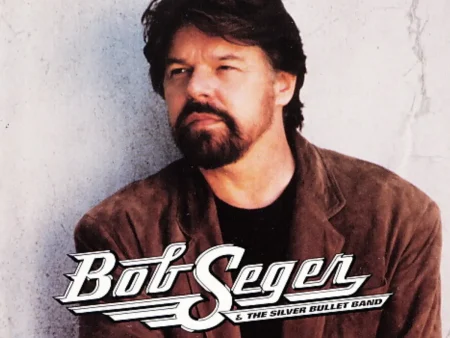
Detroit doesn’t separate its passions neatly. On one side you’ve got guitars that sound like chrome scraping pavement; on the other, skates carving ice like power tools.
Bob Seger and the Detroit Red Wings live in that overlap, where a chorus can hit as hard as a check along the boards. When people call Seger “the voice of Detroit,” they’re also describing the city’s sports heartbeat.
Bob Seger’s Detroit credibility is earned, not marketed
The Rock & Roll Hall of Fame’s profile of Seger frames him as a Detroit native who kept grinding long after trends moved on, finally getting inducted in 2004. In Kid Rock’s Hall essay, the flex is simple: Seger is “the beautiful loser” who has sold 50 million records.
That “paid his dues” reputation is exactly why his music keeps showing up anywhere Detroit people get emotional in public. Seger doesn’t sound like a brand partnership; he sounds like a guy who has been cold, broke, and stubborn, and somehow still made it to the show.
The Silver Bullet Band factor
Seger’s arena magic is not just lyrics, it’s architecture. The Silver Bullet Band songs are built for big rooms: chunky rhythm guitar, drums that sit right in the midrange, and sax lines that cut through crowd noise like a goal horn.
If you’ve ever wondered why a Seger singalong doesn’t turn into mush, that’s why. Even when the whole building is yelling, there’s always a hook you can grab.
Why his lyrics hit hockey fans harder than a highlight reel
Britannica’s overview of Seger calls him one of the Midwest’s most successful rock performers, with Detroit soul and R&B shaping his sound and working-class life shaping his stories. It also notes that he launched a farewell tour in 2018 and played his last concert the following year.
That arc mirrors hockey fandom: long seasons, ugly losses, and the stubborn refusal to quit because you’ve already invested your whole winter. Seger’s narrators rarely “win” in a clean Hollywood way, but they keep moving, which is basically the Red Wings fan manual.
And he writes about motion. “Turn the Page” is road-weariness; “Night Moves” is nostalgia you can taste; “Against the Wind” is the feeling of pushing when you’re already tired, which is exactly what the third period is supposed to be.
Joe Louis Arena: where riffs and slap shots shared the same walls
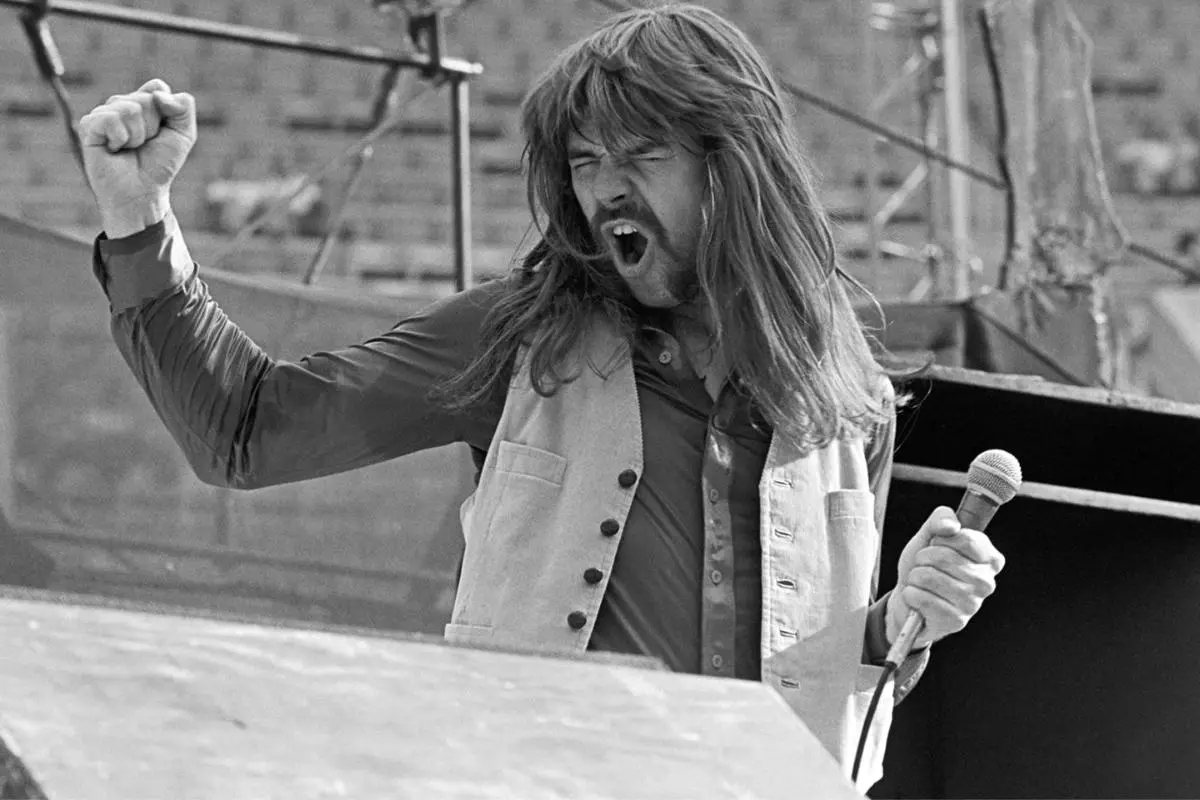
Joe Louis Arena was the shared cathedral, the place where a Tuesday night concert and a Thursday night game could feel like the same ritual. In a farewell feature, the Red Wings highlighted the building’s flood of memories, with the Zamboni driver recalling concerts “from Prince to Seger to Kid Rock.”
Even the non-hockey lore at The Joe reads like Detroit culture in fast-forward. A Detroit Free Press book about the arena notes that it hosted everything from political conventions to iconic concerts, and mentions Seger joining Kid Rock on stage during Super Bowl week in 2006.
That’s the key point: in Detroit, sports venues are not just sports venues. They are where the city argues with itself, celebrates itself, and occasionally forgives itself, usually at full volume.
“Old Time Rock and Roll” and the art of the no-skip chorus
Seger’s best hockey-adjacent anthem might be “Old Time Rock and Roll,” not because it’s officially anyone’s goal song, but because it’s engineered for mass participation. On Stranger In Town (1978), it sits beside crowd-shakers like “Feel Like a Number” and “Hollywood Nights,” basically daring you not to sing.
In arena terms, the track checks every box: a steady pulse, a chorus that lands right on the downbeat, and lyrics that turn nostalgia into a group chant. It’s the musical equivalent of throwing an octopus on the ice: slightly unhinged, totally committed, and instantly recognizable.
Why it works in a rink
Hockey crowds don’t have time for subtlety. Between whistles, you need music that communicates in one bar, and Seger’s classics do that with simple rhythms and hooks that telegraph themselves from the first note.
There’s also a cultural wink in that chorus. It’s not “we are the champions,” it’s “we remember what matters,” and Detroit fans have always preferred grit and memory over polished victory speeches.
The NHL already treats Seger like a win ritual
You don’t have to convince hockey people that Seger works. The NHL’s Los Angeles Kings have used “Hollywood Nights” as a win singalong, with their site noting that “When the Kings win, they sing ‘Hollywood Nights.’”
If a West Coast franchise can borrow Detroit’s night-drive anthem and make it feel natural, Detroit can claim Seger without trying so hard. The Red Wings don’t need a manufactured “hype song” when the city already has a catalog built for adrenaline and release.
Detroit crowds learned the singalong from live albums
Seger’s official site spotlights how Live Bullet was recorded at Detroit’s Cobo Hall in September 1975 and how that album captured the intensity of his live show, helping push him to a wider audience. In other words, Detroit didn’t just listen to Seger, it trained him.
That crowd psychology is identical to a tight playoff game: the room becomes an instrument, and everyone plays it together. When a building is already singing, a Red Wings game doesn’t feel like a sporting event, it feels like a hometown show with consequences.
Make your own “Red Wings x Seger” playlist (without cringing)
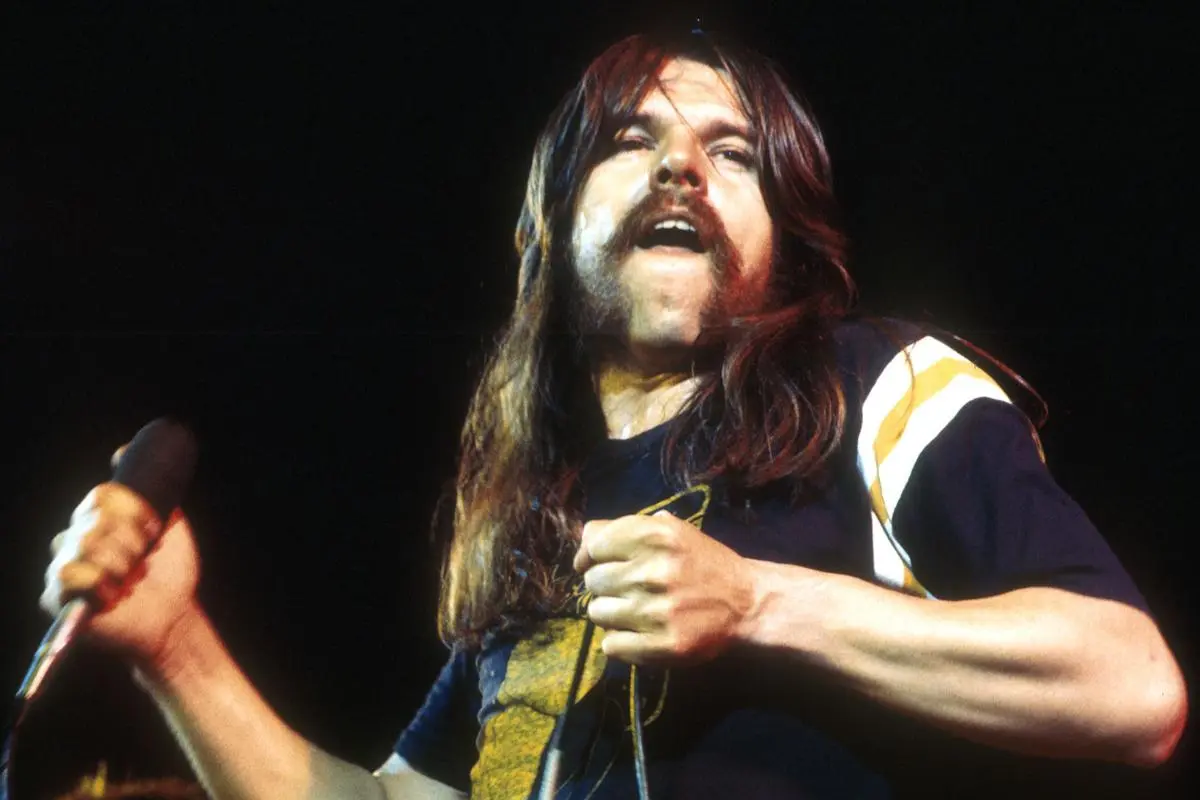
Want the Seger-Red Wings connection to move from folklore to something you can actually use? Build a mini-playlist around moments, not just “hits,” and you’ll avoid the wedding-reception trap.
Think like a bandleader, not a jukebox. You want contrast, pacing, and a few strategic singalongs that feel earned.
| Arena moment | Seger pick | Why it works |
|---|---|---|
| Warmups | “Hollywood Nights” | Fast intro, cinematic vibe, instant movement. |
| Momentum swing | “Ramblin’ Gamblin’ Man” | Restless groove that matches quick line changes. |
| After a big hit | “Feel Like a Number” | Stomp and chant that cuts through chatter. |
| Intermission singalong | “Night Moves” | Slow-burn nostalgia, easy chorus for crowds. |
| Third-period grind | “Against the Wind” | Lyrics about pushing through fatigue, builds tension. |
| Postgame exit | “Old Time Rock and Roll” | Universal hook, sends fans out smiling. |
Practical tips (for DJs, cover bands, and fans with a Bluetooth speaker)
- Lead with the hook: avoid long fades. The first two seconds matter.
- Save the classics for leverage: overplaying turns anthems into wallpaper.
- Keep it local: the point is “this is ours,” not “classic rock.”
Conclusion
Bob Seger and the Detroit Red Wings connect because they both sell the same thing: perseverance with a pulse. One does it with guitars and sax, the other with forechecks and blocked shots, but the emotional math is identical.
In a city that’s been counted out a few times, that’s not nostalgia. It’s identity, loud enough to fill an arena.