From a one-room cabin to a global myth
Dolly Parton did not start life in sequins. She started it in a one-room Appalachian cabin, one of twelve children in a family that sometimes paid the doctor in cornmeal and prayed the crops would hold. Country music likes to sell this as a cute origin story; the truth is much sharper.
Her rise from that cabin to world fame is not just luck or talent. It is a case study in how a hungry kid with a cheap guitar, a wild imagination, and a ruthless work ethic can bend the entire music business to her story.
One room, twelve kids, and a very sharp mind
Dolly Rebecca Parton was born on January 19, 1946, in a one-room cabin on the banks of the Little Pigeon River near Pittman Center, Tennessee, the fourth of twelve children of sharecropper turned small farmer Robert Lee Parton and his wife Avie Lee. Her father, who never learned to read or write, worked tobacco fields and construction jobs, and famously paid the missionary doctor who delivered her with a sack of cornmeal. Parton’s early life in rural Tennessee anchors everything that came after.
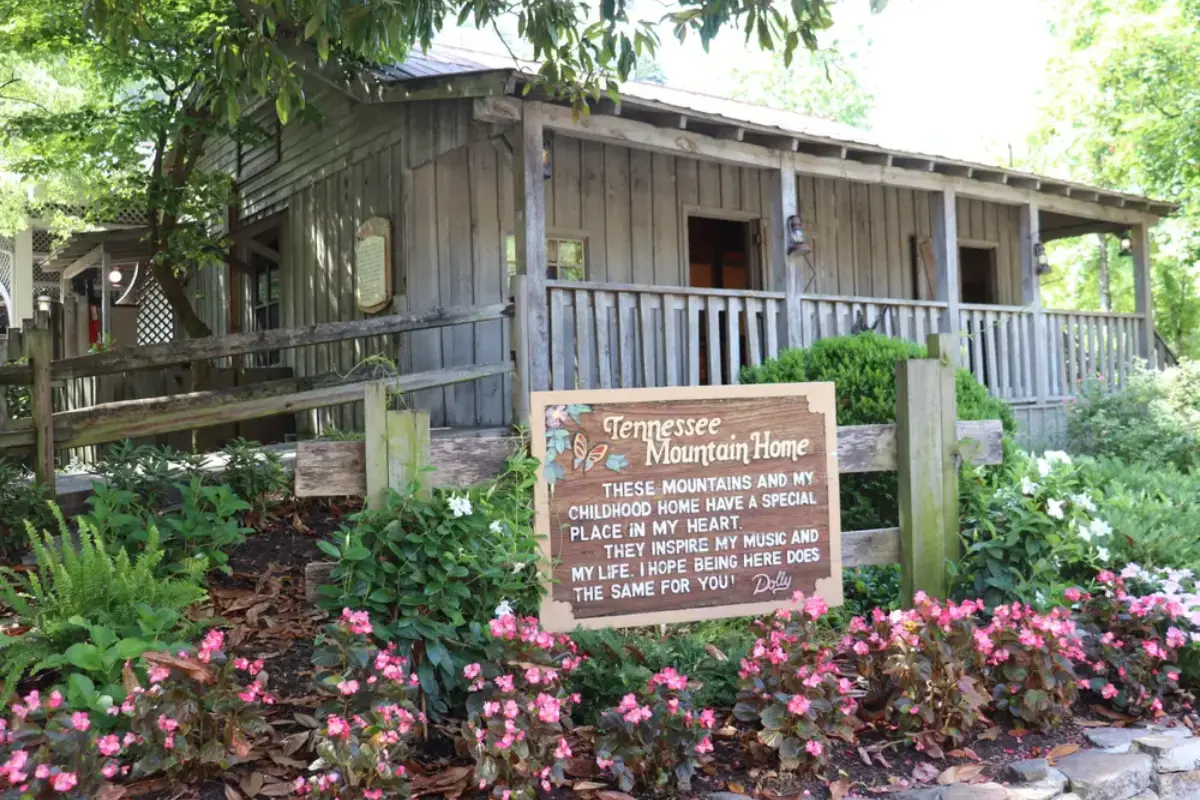
A replica of that tiny log home stands today inside Dollywood, complete with newspaper tacked to the walls for insulation, cast iron skillets by the hearth, and no hint of electricity or running water, reminding visitors that the Parton children grew up in real poverty, not Instagram rusticity.
In that cramped space, twelve kids slept head to foot, fought for blankets, and learned early that survival meant sharing. There was no private room to brood in, no studio to rehearse in, just a single crowded box where you either made noise loud enough to be heard or disappeared into the din.
Church, fear, and the first microphone
The other room in Dolly’s childhood was the church, where her grandfather, Reverend Jake Owens, was a fiery Pentecostal preacher who still encouraged kids to “make a joyful noise” with whatever gifts they had. In later recollections, she describes that church band of relatives and the freedom to stand up with a guitar and sing even her own songs, sacred or not, as long as they felt honest, a dynamic that helped shape early songs like “Daddy Was an Old Time Preacher Man.”
For a poor mountain girl, that little church doubled as talent show, social life, and songwriting workshop. While other kids fidgeted through sermons, Dolly was quietly testing melodies in her head, filing away Bible stories and family gossip as raw material she would someday turn into charting singles.
From farm kid to working musician
By the time most teenagers are still figuring out three chords, Dolly had already burned through her first homemade instruments, graduated to a real guitar from an uncle, and become a regular on local radio and television shows out of Knoxville. She began writing songs almost obscenely early and was performing on the Grand Ole Opry stage by the time she was 13, proof that the barefoot kid from Locust Ridge had muscled her way into country music’s inner circle and toward the hundreds of millions she would later earn.
After high school, she did what every small town songwriter dreams of and almost none actually do: she left. Nashville was not waiting with open arms; it was a grind of cheap apartments, demo sessions, and backroom publishing deals. But that cabin girl understood risk far better than any Music Row executive, and she bet everything on the only asset she truly owned: her songs.
| Life stage | Approx. age | What changes |
|---|---|---|
| Smoky Mountain childhood | 0 – 6 | Cabin life, family harmony singing, first homemade instruments. |
| Church and radio kid | 6 – 10 | Singing in her grandfather’s church, first local radio and small TV spots. |
| Regional prodigy | 10 – 13 | Regular appearances on Knoxville shows, first Grand Ole Opry performance. |
| Nashville hopeful | Late teens | Moves to Nashville, focuses on songwriting and studio work. |
Turning humiliation into a hit
If you want to understand Dolly’s genius, start with the ragged little coat her mother stitched from scraps when the family could not afford store clothes. Dolly marched into school proud of that coat and was mocked mercilessly for it, a childhood wound she later weaponised as the song “Coat of Many Colors,” and in her memoirs she even jokes that it is “amazing how healing money can be” when that pain starts generating royalty checks.
That is Dolly Parton in one move: take the most humiliating thing that ever happened to you, pin it to the front of your body, and sing it so beautifully that the world not only forgives you for it, it pays you for it. Most artists hide their scars; Dolly itemises hers in the liner notes.
The Smoky Mountain brand she built on purpose
None of this was an accident. In a recent Southern Living profile, Parton talks about how her elaborate wigs, rhinestones, and over-the-top femininity sit on top of an unshakable connection to her Appalachian roots, right down to the way she writes songs and spends her money on her home region through Dollywood and other ventures.
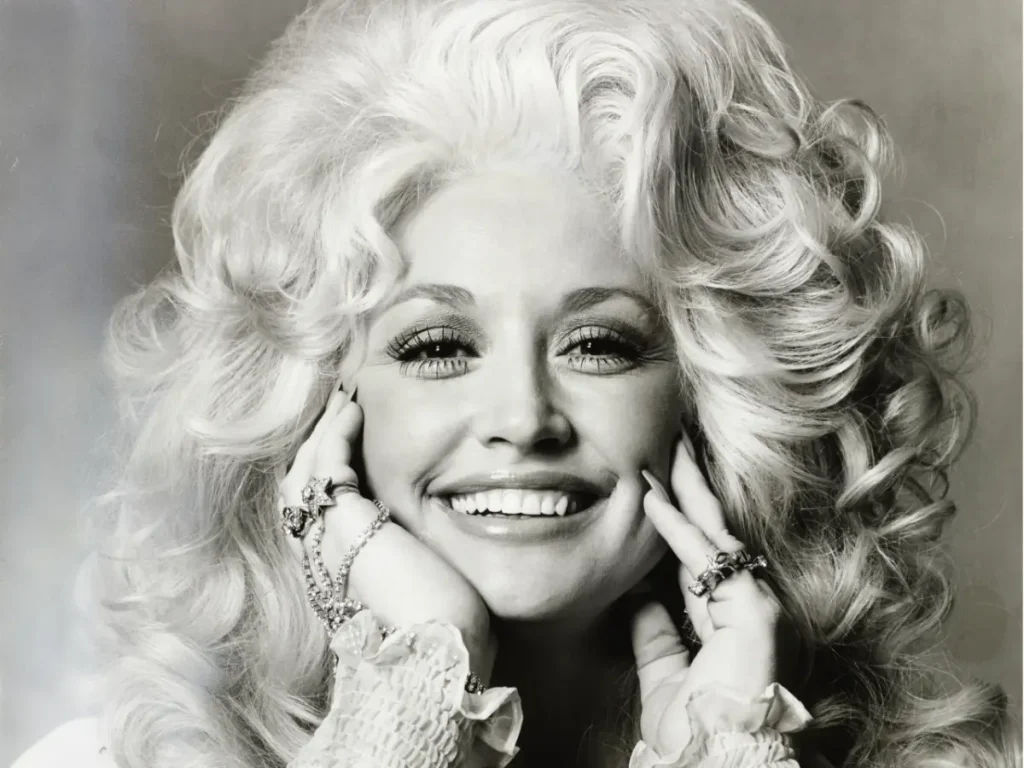
That contrast is the whole act: a woman who looks like a cartoon blonde siren, sings like a mountain choir, and negotiates like a Wall Street lawyer. Her image invites people to underestimate her; her publishing catalog, theme park, and constant reinventions quietly prove that the “dumb blonde” is the sharpest operator in the room.
The edgy truth is that Dolly turned poverty into a brand before “authenticity” became a marketing buzzword. She keeps the one-room cabin alive in every rhinestone, every Smoky Mountain reference, every joke about her figure, turning her past into the emotional engine that keeps her empire running.
From an illiterate father to millions of books
Seen from that angle, her most radical project is not a record at all but a book program. In 1995 she launched Dolly Parton’s Imagination Library in Sevier County, mailing a free, high quality children’s book every month to kids from birth to age five, a scheme that has since scaled across the United States and into several other countries.
Biographers note that the spark was her father’s shame over not being able to read or write, and that she created the Imagination Library partly in his honor, determined that children who grew up like she did would have books in their laps even if they had nothing in their pockets.
Set that against the image of the man who once paid her birth doctor with cornmeal, and her philanthropy stops looking like public relations and starts looking like unfinished family business. The illiterate Smoky Mountain farmer raised a daughter who floods the world with stories addressed to children who feel as trapped and invisible as she once did.

What musicians can steal from Dolly’s origin story
For players and songwriters who came up on her records, Dolly’s childhood is not just trivia. It is a blueprint for how to turn the worst parts of your life into the most valuable parts of your art.
- Write from the exact details, not from slogans. A coat hand stitched from rags is more powerful than a generic “hard childhood.”
- Use any stage you can get: the family living room, a tiny church, a local radio slot. She treated every one of them like the Opry.
- Guard your songs and your story. Parton famously prioritized ownership and publishing, because she knew the cabin girl had to protect her only real assets.
- Lean into the persona that feels true, even if people sneer. Her look was inspired by a local woman everyone called trash; Dolly turned that “trash” into a global trademark.
- Remember that success is not an apology for your roots. The point is not to escape where you came from, but to give it a voice big enough that nobody can ignore it.
The one-room cabin that still drives the music
When you listen to Dolly Parton sing, you are hearing more than a crystalline country voice. You are hearing a scared, stubborn kid in a crowded cabin, fighting to be heard over eleven siblings, a shouting preacher, and the endless crackle of poverty.
She could have let that noise drown her out. Instead, she tuned it, amplified it, and sold it to the world without ever pretending it was something prettier than it was. That is why her story still matters for anyone picking up a guitar: you do not have to come from money or comfort, but you do have to be honest and relentless about the cabin you came from.