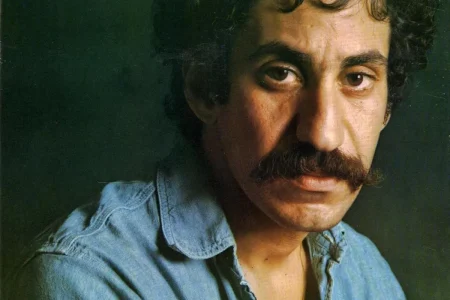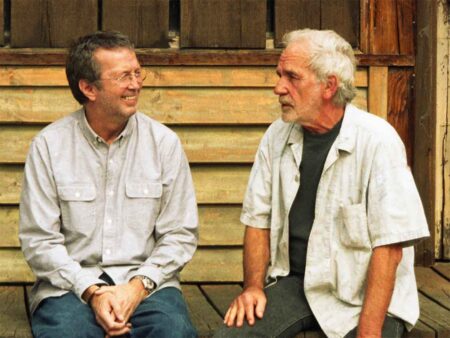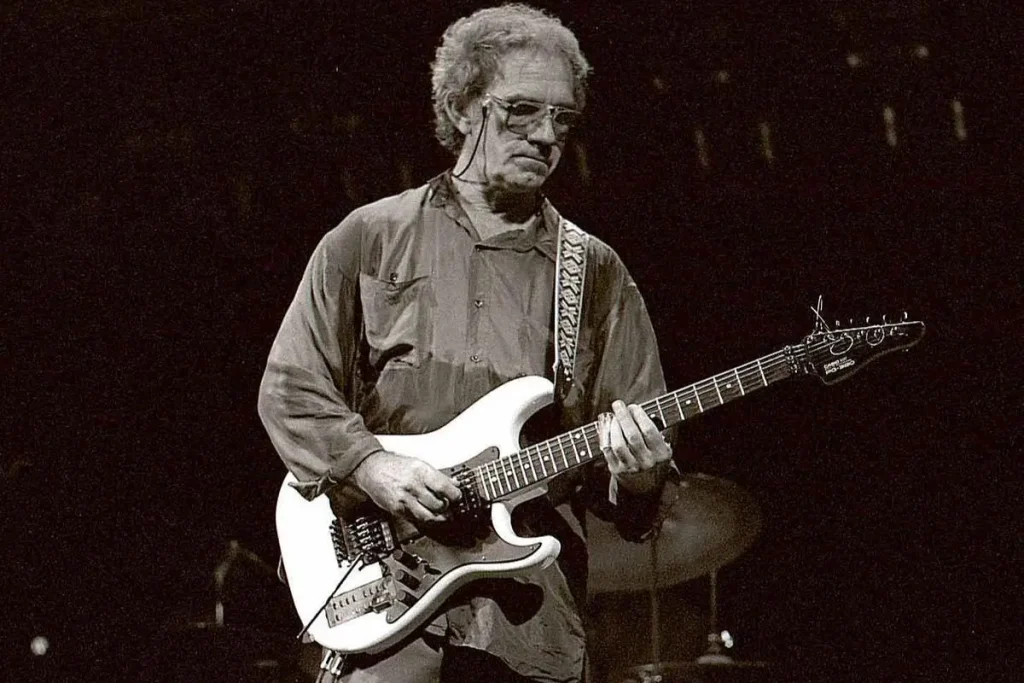
JJ Cale looked at his hometown of Tulsa, heard Mississippi blues drifting up, Kansas City jazz rolling down, and Western swing rattling the dance halls, and decided it all belonged in the same pot. Then he did something even stranger by industry standards: he used his own records less as products and more as calling cards, a way to get other people to cut his songs.
If you grew up on the music of the 50s through the 90s, you have heard JJ Cale even if you never bought a JJ Cale album. This is the story behind his “Tulsa melting pot” comment, his radical songwriter-first philosophy, and how a man who seemed allergic to fame quietly became one of rock’s most profitable ghosts.
Tulsa: Where the Rivers of American Music Collide
Cale once described Tulsa as sitting “in the middle of the United States,” where blues and rhythm and blues floated up from Mississippi, jazz spilled down from Kansas City, and Western swing brought a country boy’s version of big band charts into the bars. In his words, it turned the town into a musical “melting pot.”
That geography mattered. Oil money made Tulsa a boom town, which meant clubs, dance halls, and steady work for musicians. Black and white styles rubbed shoulders on the bandstands long before radio programmers figured out how to slice everything into tidy formats. For a young guitarist like Cale, the point was not categories. The point was: does it groove, and will people dance to it.
The ingredients in Cale’s Tulsa stew
| Influence | Rough source | What it added | Typical names |
|---|---|---|---|
| Delta / Mississippi blues | South, Gulf states | Minor-key moan, shuffles, guitar riffs | Muddy Waters, Jimmy Reed |
| Rhythm & blues | Memphis, New Orleans | Backbeat, horn stabs, dance-floor focus | Fats Domino, Ray Charles |
| Kansas City jazz | Midwest | Loose swing, walking bass, solo spots | Count Basie, Charlie Parker’s roots |
| Western swing | Texas – Oklahoma | Fiddle lines, steel guitar, country storytelling | Bob Wills & His Texas Playboys |
| Early rock & roll | Nationwide by mid 50s | Backbeat aggression, teenage attitude | Chuck Berry, Little Richard |
Instead of choosing one camp, Cale soaked up all of it. The “Tulsa sound” that later coalesced around him and his peers was less a strict genre and more a shared attitude: swing hard, play soft, and leave plenty of air between the notes.
So What Is the Tulsa Sound, Really?
Writers still argue about how to define the Tulsa sound, which should tell you something. At its simplest, it is a relaxed blend of blues, country, rockabilly, rock and roll, and swampy R&B, usually played with a light touch and a behind-the-beat feel.
It is not a flashy style. Think small bands, roomy mixes, guitars slightly underdriven instead of screaming, and vocals that sound like they were recorded after midnight in a back room. The groove shuffles without hurrying, often riding on subtle drum patterns instead of stadium-sized backbeats.
Leon Russell, Roger Tillison, Elvin Bishop, and others helped shape that approach, but Cale became its most distilled form: barely raised voice, short solos, and songs that felt like they had always existed. If Nashville liked its records polished to a mirror shine, Tulsa preferred a dusty barroom window with a killer band behind it.
JJ Cale: The Reluctant Architect
Cale was born John Weldon Cale in Oklahoma City and raised in Tulsa, graduating from Tulsa Central High School in the mid 50s. He learned guitar, built his own home studio, and trained as a sound engineer, skills that later let him sculpt his records with microscopic control.
By the mid 60s he was playing Los Angeles clubs and cutting demos, but the spotlight never appealed to him. Studio work and engineering were safer. Even after “Crazy Mama” brushed the US Top 40, he famously skipped lip-synced TV spots that could have boosted his chart profile. He cared more about how the record sounded in a living room than how the performance looked on television.
If rock had a witness protection program, JJ Cale would have been its most willing client. The irony is that his decision to stay small helped his sound travel further. Big stars heard his records, stole his vibe, and carried Tulsa to arenas he never bothered to chase himself.
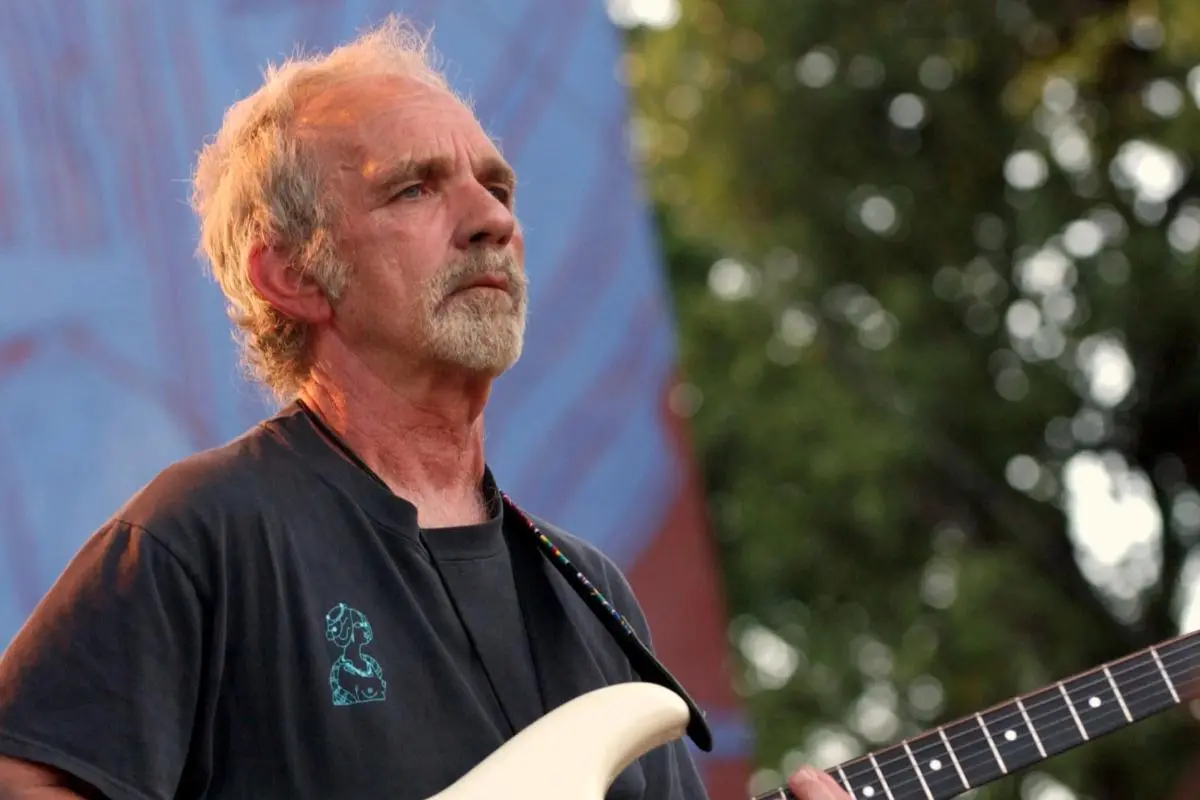
“I Was Trying To Sell Songs” – Not Records
After Eric Clapton turned Cale’s tune “After Midnight” into a hit, doors finally opened. Cale could have chased fame, but he thought like a working songwriter, not a pop idol. He later explained that his real goal was not to sell stacks of his own albums; his goal was to sell songs.
Instead of camping out in publishing offices in New York or Nashville, he made his own records and let them circulate. Other musicians heard the tunes, heard the feel, and started cutting their own versions. His albums functioned as luxurious demos, dressed up just enough that fans could enjoy them, but simple enough that singers and producers could imagine putting their own stamp on the material.
That strategy sounds almost anti-commercial, but it was ruthlessly smart. Songwriting royalties compound quietly in the background. While radio listeners thought they were hearing “Eric Clapton” or “Lynyrd Skynyrd,” Cale’s mailbox filled with checks.
The Stealth Influence: From Clapton To Skynyrd And Beyond
By the early 70s, Eric Clapton himself was turning away from the overblown, inspired in part by The Band’s Music from Big Pink. Cale’s laid-back shuffles and unshowy guitar lines fit that new mood perfectly: adult, earthy, and rooted in American vernacular music rather than psychedelic fireworks.
Once “After Midnight” hit, more covers followed. Clapton’s take on “Cocaine,” Lynyrd Skynyrd’s barroom-proof version of “Call Me the Breeze,” Waylon Jennings cutting “Clyde,” and Santana recording “The Sensitive Kind” all helped turn a regional Tulsa sensibility into international rock currency.
That list barely scratches the surface. Country, blues, jam bands, and classic rock acts raided his catalog for decades. Each cover gently rewired listeners’ ears in Cale’s direction: a little slower, a little swampier, a little less ego and a little more pocket.
Here is the uncomfortable truth the industry rarely says out loud: for Cale, having bigger names front his songs was more lucrative and less exhausting than chasing hits as a star. Many artists talk about “letting the work speak for itself.” Cale actually meant it, and the work paid the bills while he stayed home.
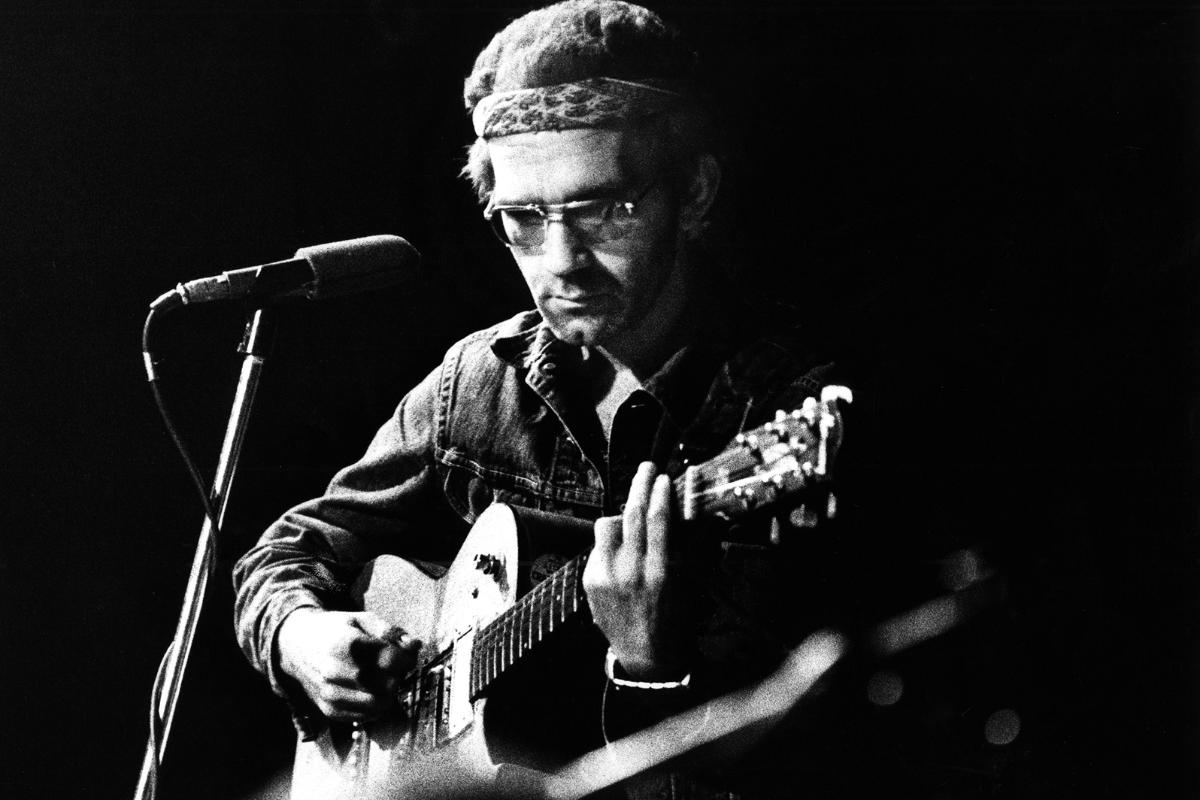
From Tulsa Bars To Halls Of Fame
Given his low profile, you might expect Cale’s influence to stay a cult secret. Instead, institutions eventually caught up. He has been honored by organizations like the Oklahoma Jazz Hall of Fame, which highlighted not just his own records but the way giants such as Neil Young and Eric Clapton spoke of him as one of the key electric guitar voices of modern music.
Songwriting circles followed. His posthumous induction into the Nashville Songwriters Hall of Fame explicitly recognized him as a Tulsa sound pioneer whose tunes powered hits for artists from Clapton and Skynyrd to Waylon Jennings, Santana, and beyond.
In other words, the quiet guy from Tulsa who “was just trying to sell songs” ended up with exactly the legacy he wanted: a deep songbook, still in circulation, still paying out, still being rediscovered by new players long after trendier acts have vanished from the racks.
What Musicians And Listeners Can Learn From Cale
1. Geography shapes groove
Cale’s “middle of the United States” remark was not small talk. Tulsa’s position between Mississippi, Texas, and the Midwest created a natural crossroads where blues, jazz, country, and early rock overlapped in real time. If your own playing feels bland, ask what actual streets, bars, and histories are baked into your sound. If the answer is “none,” maybe that is the problem.
2. Understatement is a weapon
In an era that rewarded guitar heroics, Cale played as if he were allergic to showing off. The result was a signature feel that guitarists as different as Mark Knopfler and Eric Clapton envied. The lesson is simple and brutal: if everyone around you is shouting, the whisper gets heard first.
3. Treat records as shop windows, not trophies
Cale’s comment about using albums to “sell songs” should hit anyone who writes or produces music like a brick. Your record can be a glossy business card just as easily as it can be a vanity project. Make the mixes good enough that listeners fall in love, but leave enough space that other singers, labels, or filmmakers can imagine your song in their world.
4. Influence pays better than fame
Most listeners can hum “Cocaine.” Far fewer can tell you who wrote it. Yet over the long run, the writer may sleep better, live quieter, and still cash the checks. Cale bet on influence instead of visibility and won. For working musicians past their arena-rock years, that is a far more realistic and sane career model than chasing one last hit tour.
Conclusion: Tulsa’s Quiet Prophet Of Groove
JJ Cale’s twin remarks about Tulsa as a melting pot and records as tools for “selling songs” are not throwaway lines. Together they sketch a whole philosophy of American music: let the styles mix freely, strip the ego out of the performance, and build a life on songs strong enough that other people want to live in them.
You do not have to be a virtuoso to matter. You just have to find your pocket, defend it ruthlessly, and be willing to let other people take the spotlight while your work does the slow, steady, profitable work of reshaping the sound of the world.