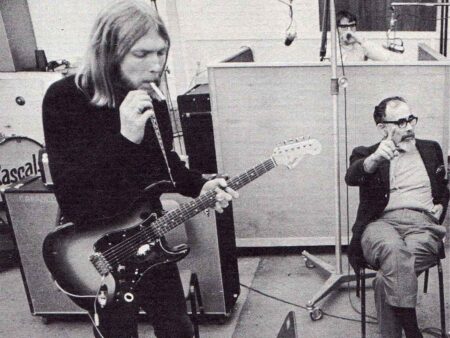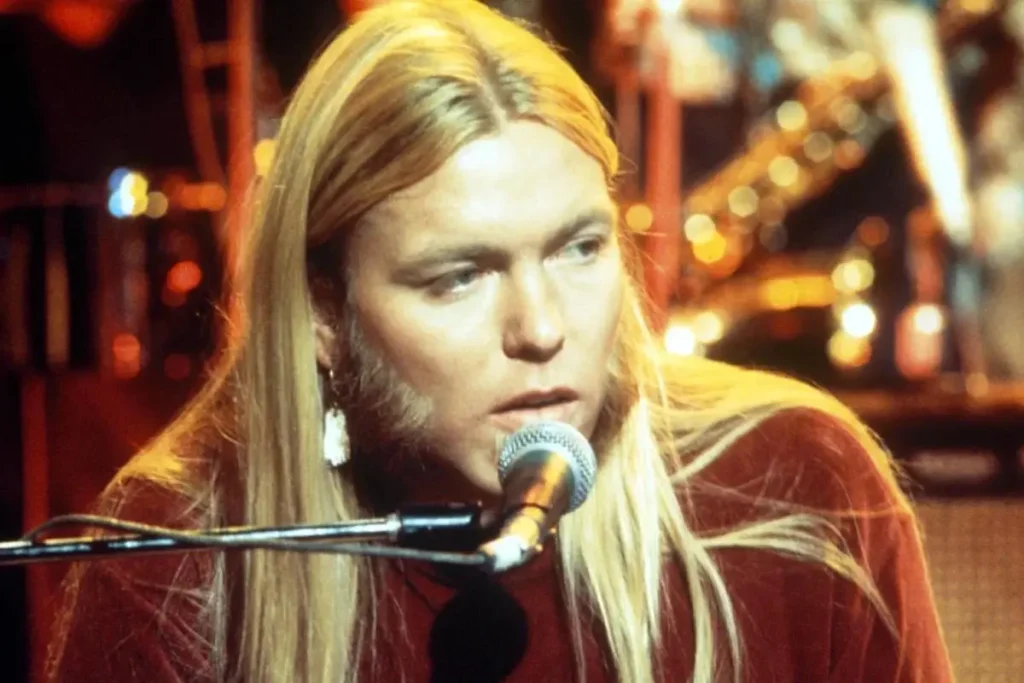
Gregg Allman once summed up his brother Duane’s philosophy in one hard Southern sentence: if you lay down a sound and it is a hit in your heart, then it is a hit. Forget the charts. Forget the crowd. If you believe it, play it and stick to your guns.
That attitude did more than shape one band. It pushed Gregg out of the Top 40 cover grind, pushed Duane into slide-guitar legend, and gave the Allman Brothers Band a code of honor that still feels subversive in an age of algorithms.
The moment Gregg stopped chasing other people’s hits
From bar-band circuit to original voice
Before the Allman Brothers Band became a jam institution, Gregg and Duane were doing what thousands of Southern bar bands did: banging out R&B and pop covers so drunks would keep buying beer. The money was lousy and the artistic payoff was worse.
Gregg later admitted that by the late 1960s he was so sick of playing other people’s songs that he holed up in a cheap Florida hotel and forced himself to write, banging out roughly 200 tunes before one keeper finally arrived: Melissa.
That decision is the practical backbone of his quote. A “hit in your heart” is what you get when you decide that playing honest, imperfect originals is better than murdering perfect covers on demand.
Hits of the heart vs hits of the charts
Gregg’s rule is brutally simple, but it cuts across every corner of the music business. You can hear the contempt in the way he talks about “Top-40 stuff” and the quiet pride in how that same stubbornness pushed him to write instead of imitate.
Put bluntly, the Allmans quietly declared war on the cover-band economy years before punk kids started screaming about selling out. Here is the divide Gregg was pointing at:
| Mindset | Top-40 Mentality | Hit-in-your-heart Mentality |
|---|---|---|
| Goal | Keep the crowd happy, keep the bar owner paid | Say something real, even if half the room walks out |
| Song choice | What is already a hit | What you cannot live with yourself unless you play |
| Risk | Low – you know people recognize it | High – no one asked for this song |
| Reward | Tips and short-term applause | Identity, a sound that is actually yours |
| Artistic cost | You become a jukebox with a pulse | You might bomb, but you learn who you are |
Gregg moved from one column to the other the minute he decided he would rather write 200 bad songs to get to Melissa than coast on crowd-pleasers forever. That stubbornness is the real subject of the quote.
Duane as compass: tone, slide and faith in the music
The sound that made “heart hits” possible
Duane Allman gave that philosophy teeth. Coming out of the Muscle Shoals session world, he already had a reputation for a guitar tone that could cry, bark and sing in the space of one chorus, lifting everyone in the room.
His slide style was lethal and strangely calm at the same time: Coricidin bottle on his finger, open E tuning, fingerpicked right hand muting every stray noise, and yet he had only been playing slide for about a year when the Allman Brothers debut came out.
That level of control is why Gregg could say his brother hardly ever looked at the neck when he played slide. Duane knew exactly where he was going and trusted his hands enough to stare his singer in the eye instead.
At Fillmore East and the rejection of the 3-minute single
On stage, that trust became a kind of group dare. The band’s blend of blues, country and jazz leaned hard on improvisation, with Gregg’s weary voice and Hammond B-3 gluing together the twin guitars and two drummers while they stretched songs far beyond radio length, as biographer Scott Freeman has described. Scott Freeman
The explosion came on At Fillmore East, a double live album that critics now treat as one of classic rock’s essential records, because it captured the contrast between Duane’s blues-soaked slide lines and Dickey Betts’s more country melodies riding over a two drummer groove.
Stretching Whipping Post to twenty minutes is not the move of a band that cares what a program director wants. It is what you do when the only “hit” that matters is whether the room is levitating.
Not brothers in the usual sense
Division of labor, not sibling rivalry
Gregg liked to say “it was not brothers as you would think brothers.” The quote is more radical than it sounds. Rock history is full of brothers who tried to do the same job and tore each other apart.
The Allmans went the other way. Gregg respected Duane as the architect and lead guitarist. Duane respected Gregg as the writer, singer and organ player who gave the band its emotional language. There was no need to compete for the same oxygen when both were busy pumping air into the room.
Writers who were there describe Gregg’s smoky voice and B-3 as the glue binding that twin-guitar, two-drummer hurricane, especially once the band settled in Macon and started living on the road, a dynamic Scott Freeman has written about.
“He’d lean right against the organ”
Onstage, Gregg remembered his brother literally leaning against the Hammond as he played, sometimes facing backward so they could lock eyes. Duane was not watching the fretboard. He was watching his brother’s face, pushing him to sing harder.
That is a brutal kind of accountability. If your guitar player is looking at you instead of his hands, you had better mean every word you are singing. For Gregg, a half-hearted vocal would have been a betrayal of the very person who taught him to stop faking it.
It also tells you something unflattering about a lot of modern shows. When a guitarist is glued to the neck, or to a pedalboard, or worse, to a click track in their in-ears, nobody is leaning on anybody. The Allmans were almost physically forcing each other to care.
Grief, ghosts and the “place of no pain”
Duane as permanent bandmate
Duane’s death in 1971 did not loosen that grip. Gregg spent the rest of his life talking about his brother in the present tense, saying he thought about him every day and still felt him watching over the band whenever fans brought up old footage and stories, as he recalled while discussing his liver transplant. His reflections on Duane
Decades later he told one interviewer that every time he walked on stage he still felt like Duane was standing right next to him, as if his brother had only stepped into another country and could step back across the border at any time, a feeling he described in depth in a long magazine profile.
For Gregg, honoring that presence was part of why the “hit in your heart” rule mattered. If Duane was still there, then mailing it in was not just lazy. It was disrespectful to the dead.
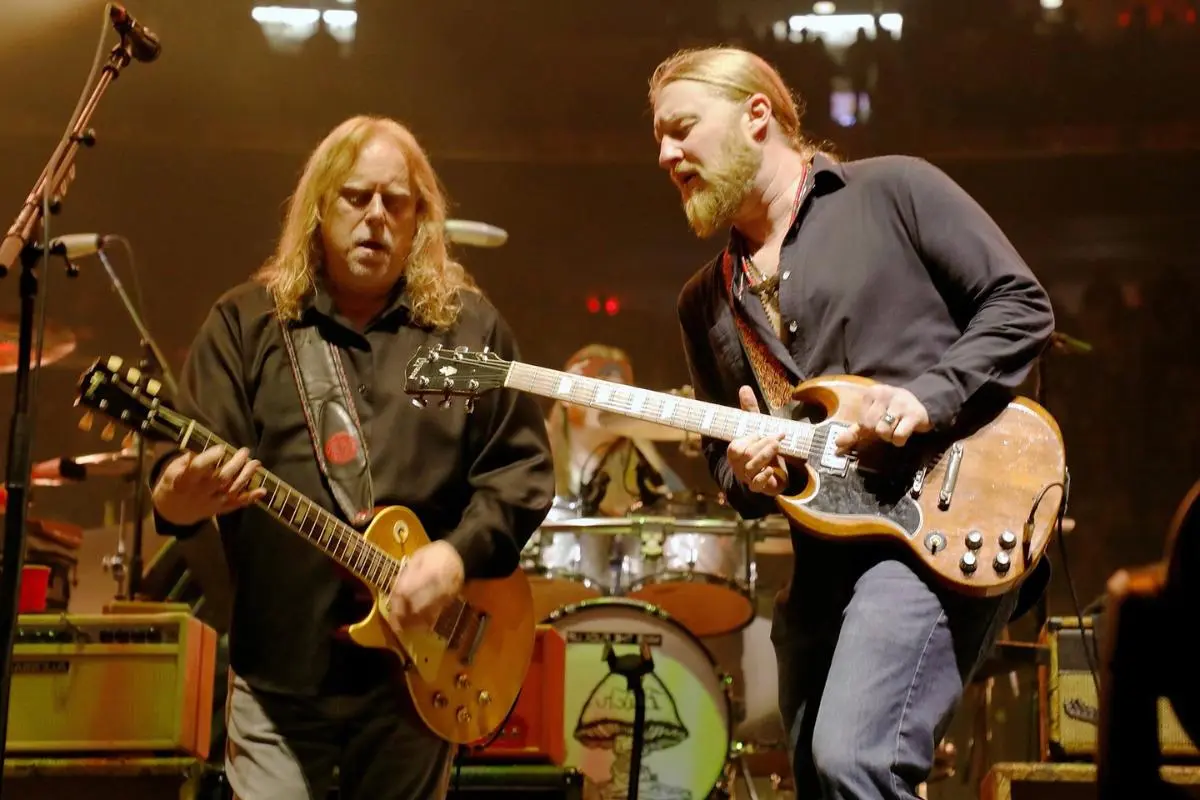
Southern Blood and the last love letter
Right up to the end, Duane kept haunting the work. On Gregg’s final album Southern Blood, his manager and daughter both talked about how the original song My Only True Friend felt like a message to Duane as much as to the fans, and how Duane’s death had influenced Gregg’s writing for the rest of his life.
They also recalled Gregg calling the stage “the place of no pain,” the one spot where the physical damage, the losses and the regrets quieted down for a couple of hours while he emptied himself out.
In that light, his quote stops sounding romantic and starts sounding like survival. If the song is not a hit in your heart, why bleed for it in front of strangers?
Escaping the Top-40 treadmill
From reluctant sideman to songwriter
The irony is that Gregg was not born a swaggering frontman. He was the kid who first fell in love with a neighbor’s guitar, then showed Duane a few chords before his big brother blew past him and took over the hot-shot role, as captured in a 2011 television profile.
Later, when Duane pulled musicians together in Jacksonville for what would become the Allman Brothers Band, Gregg hesitated, already accepted into school to train as a dental surgeon and not convinced playing music would keep a roof over anyone’s head.
He only stayed because the road put him so deep in debt that going back to college was impossible, and because somewhere along the way he discovered he could write songs that stood up next to anyone’s. That is where “hit in your heart” stops being a slogan and becomes a life sentence.
Practical lessons for songwriters
- Use resentment wisely. Gregg’s boredom with covers was not a mood, it was fuel. If something about your gig irritates you, write your way out of it.
- Accept that most of what you write will fail. Gregg talked about hundreds of bad songs before Melissa. If you are not willing to bury that many, you probably will not get to the one you need.
- Measure songs by how they feel to perform, not by how they look on a streaming dashboard. Heart hits are the ones you still want to sing on the thousandth night.
- Let one trusted bandmate be your lie detector. Duane leaning against the organ did more for Gregg’s honesty than any focus group ever could.
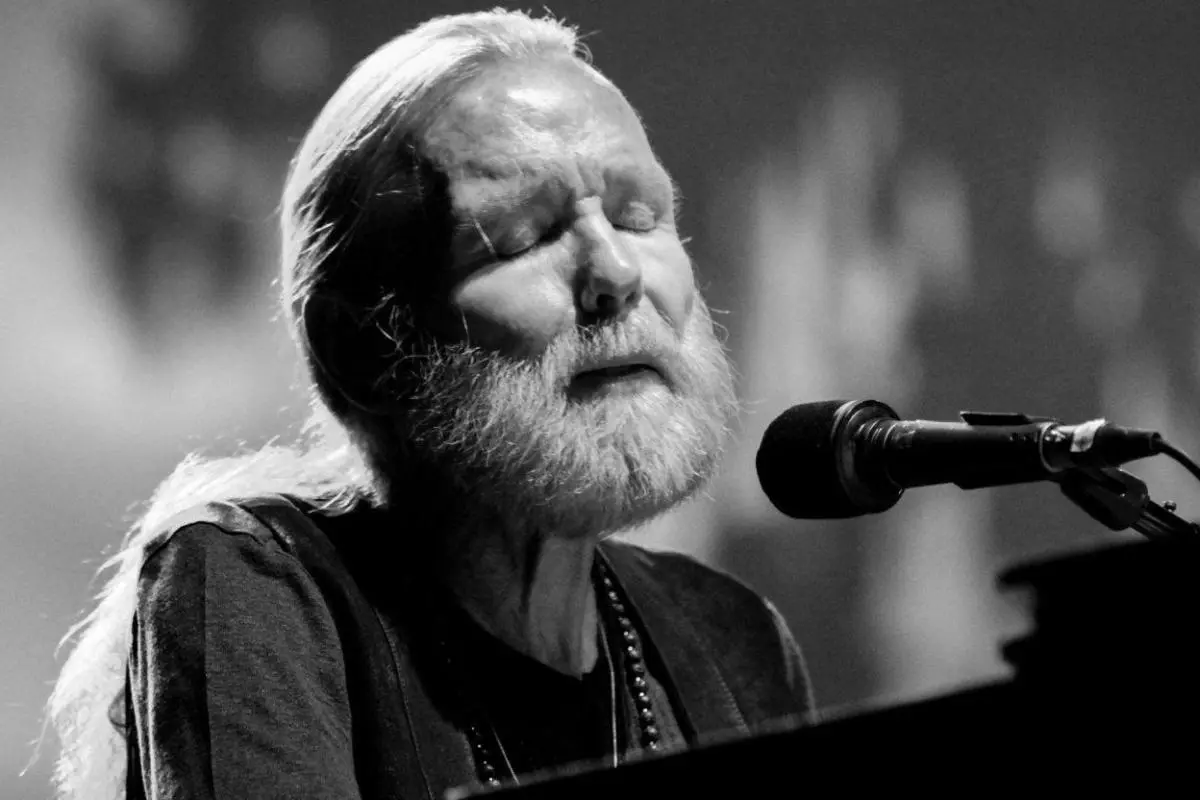
Playing like Duane leaning on the Hammond
Stagecraft lessons from Skydog
Duane’s ability to play slide without staring at the neck was not magic. It was the product of open tunings, obsessive practice and a muting technique so clean that even busy lines stayed clear. His slide guitar mastery
For players, the takeaway is not “be a genius,” it is “free your eyes.” The more your hands know where they are, the more you can look at your band instead of your frets and turn solos into conversations rather than recitals.
Try stealing a few of his habits: wear your guitar higher than fashion demands, so the upper frets are easy to reach. Practice simple slide lines until you can land them with your eyes closed. Then practice walking across the stage while you play without losing pitch.
Turning a quote into a personal rule
Gregg unpacked this whole idea at length in an early 1980s interview devoted entirely to Duane, later published under the title My Brother Duane in Jas Obrecht’s book Talking Guitar.
The full conversation is tender, angry, funny and still raw. The line about “a hit in your heart” is not motivational poster fluff. It is a scarred man explaining how he survived the grind, the bad business deals and the funerals without becoming a karaoke act of himself.
If you want to honor that, you do not have to sound like the Allman Brothers. You just have to be willing to walk on stage, play what you genuinely believe in and accept the verdict if half the room does not get it.
Conclusion: Who are you playing for?
Gregg Allman spent a lifetime carrying a ghost onto the stage and a simple law in his back pocket. If the song is a hit in your heart, it is a hit. If it is not, it is trash, no matter how high it climbs on a chart.
Duane leaning on the Hammond, barely glancing at his guitar, grinning at his little brother while the band catches fire, is what that law looks like in flesh and blood. The question for any musician, or any listener, is whether you want your nights to feel like that or like another shift on the Top-40 assembly line.
Gregg made his choice. The rest is up to you.