Sometimes a rock show is just a rock show: loud guitars, a sweaty crowd, the cathartic scream-along you carry home like a bruise you are proud of. But sometimes it becomes something else entirely – a line in a kid’s life where “before” and “after” suddenly have meaning.
This story centers on Maverick, a young Falling In Reverse fan who, just days before being diagnosed with leukemia, begged to see the band on their Popular MonsTOUR run. That night became one of his last truly normal moments before appointments, scans, bloodwork, and treatment schedules took over.
“That’s my friend now.”
Maverick (as shared in the circulating fan story)
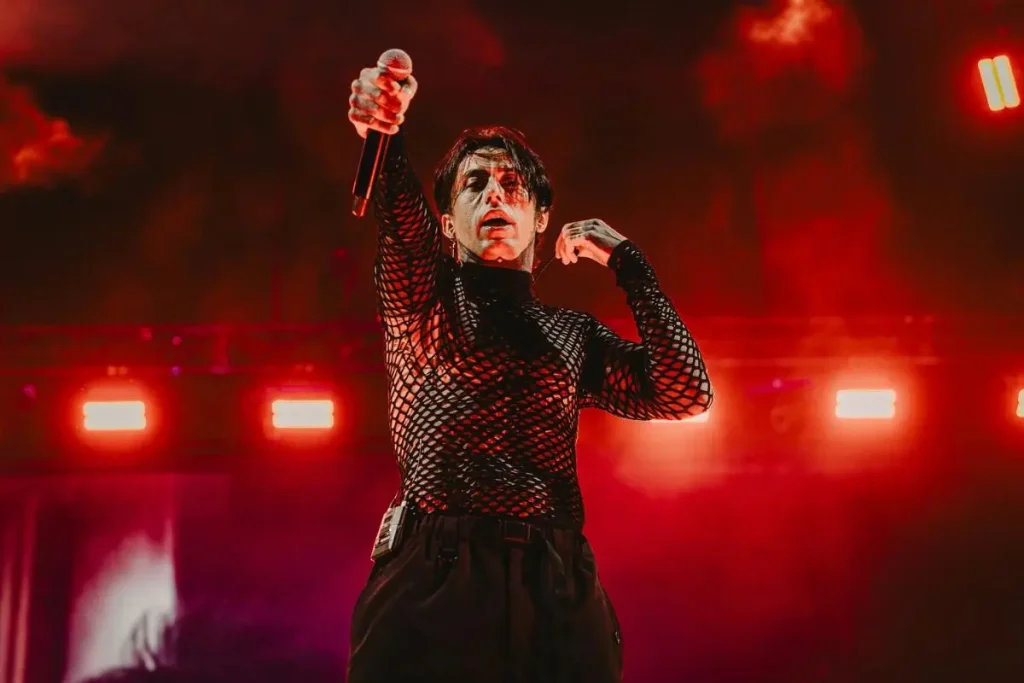
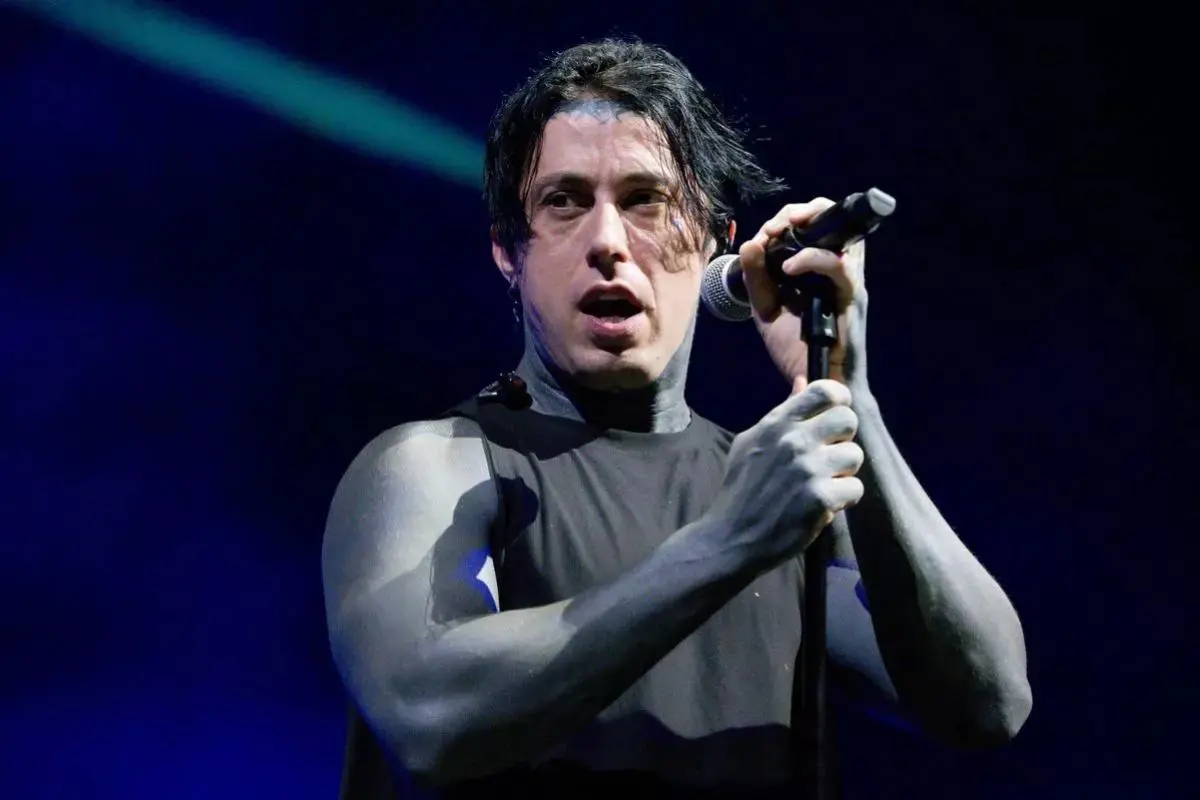
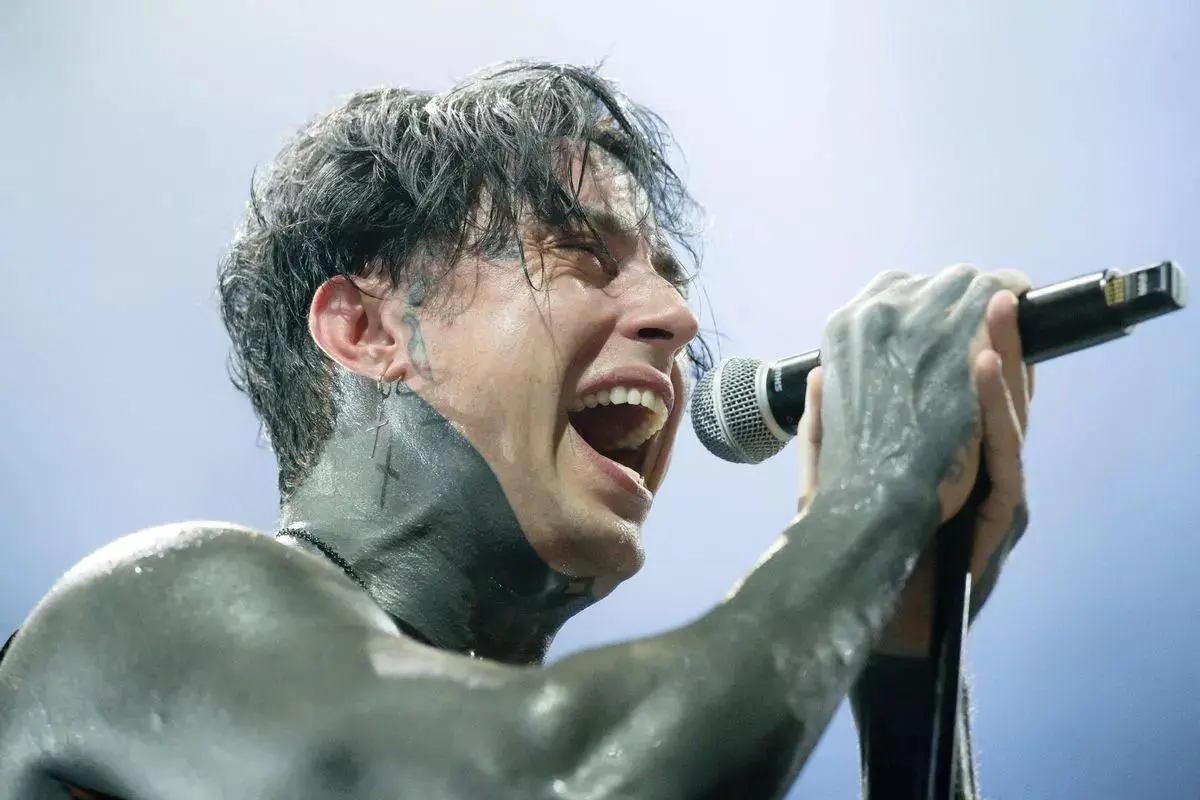
When Falling In Reverse frontman Ronnie Radke heard what the music had meant to Maverick through treatment, he did what artists say they will do and what only a few actually follow through on: he made the kid part of the show. At Warped Tour Orlando, Maverick reportedly got the full backstage experience, met Ronnie, got an autograph, and then walked onstage to help the band say goodnight to the crowd.
Here’s why that moment matters, what it tells us about the culture of modern rock, and what families can take from it when music becomes more than background noise.
The show before the diagnosis: why “normal” is a big deal
Leukemia can move fast – medically and emotionally. One minute your kid is asking for concert tickets; the next you are trying to learn a new vocabulary of lab values, side effects, and treatment phases.
What gets lost in the whirlwind is “normal life.” A concert can feel trivial until you realize it is one of the last times the calendar is filled with something chosen purely for joy, not survival.
A quick reality check on leukemia (without the doom-scrolling)
Leukemia isn’t one disease. It is a family of blood cancers that can be acute or chronic and can involve lymphoid or myeloid cell lines, which affects how doctors treat it.
For families, the practical consequence is that treatment often involves long stretches of clinic visits, frequent blood draws, infection precautions, and sometimes hospital stays. The exact plan depends on the subtype, the patient’s risk profile, and how the disease responds – especially when clinical trials are part of the conversation.
Why Falling In Reverse hits hard for fans who need an anchor
Falling In Reverse has never been “background music.” The band’s appeal lives in intensity – big dynamic swings, confessional lyrics, and a style that bounces between post-hardcore energy, rap cadences, and arena-rock hooks. You do not casually listen; you engage.
That engagement is the point. When life becomes a conveyor belt of waiting rooms, a song you know by heart can function like a mental handrail. It does not fix the disease. It helps you keep your footing.
Even the band’s official presence plays into that identity: a direct-to-fan relationship that thrives on community and high-stakes emotion.
The Warped Tour effect: why this particular stage means something
Warped Tour isn’t just a festival brand; it is a rite of passage. For decades, it has served as a traveling proving ground where the line between “audience” and “scene” gets blurry, and where fans often feel like they belong to something bigger than themselves.
So when Maverick was brought out as a special guest at Warped Tour Orlando, it wasn’t only a celebrity meet-and-greet. Symbolically, it placed him in the center of a culture that runs on belonging.
Ronnie Radke’s move: not charity, not PR – a transfer of power
Plenty of artists do quick backstage photos. The truly memorable moments involve giving a fan agency – letting them be seen, letting them take up space, letting the crowd cheer for them.
Bringing Maverick onstage to help say goodnight does exactly that. It is a small act with a huge psychological payload: the kid is no longer defined by diagnosis or treatment. For a few minutes, he is part of the band’s closing ritual, the person the crowd will remember when they describe the night.
“Music therapy is the clinical and evidence-based use of music interventions to accomplish individualized goals within a therapeutic relationship…”
American Music Therapy Association
That AMTA definition is about trained therapy, not concerts. But it hints at the larger truth: music interventions can support coping, expression, and connection, even when they happen outside the hospital.
Does music actually help during cancer treatment?
Let’s keep it sharp: music is not medicine for leukemia. No playlist replaces chemo, transfusions, or a carefully designed protocol. But music can be a powerful tool for distress reduction, emotional regulation, and identity preservation – especially for kids and teens who feel like their bodies have been taken over by a schedule.
Clinical research has examined music interventions in pediatric oncology settings, including effects on anxiety, pain, and overall distress. The strongest results tend to come from structured, therapist-led approaches, but the broader takeaway is that music can be a real coping resource in pediatric oncology when applied intentionally.
On the mental health side, trauma isn’t only about the moment of diagnosis. It can build through repeated invasive procedures, uncertainty, and loss of control. The definition of trauma includes lasting effects on functioning and wellbeing when events are experienced as physically or emotionally harmful or life-threatening.
In that context, a band that a kid loves can act like a familiar “self” they can return to. It is not about pretending everything is fine. It is about having something that still feels like you.
The “rockstar experience” that families underestimate
Older readers sometimes dismiss backstage access as fluff. But for a child in treatment, the logic changes. The biggest theft of serious illness is not only energy – it is narrative. Your story stops being yours.
Backstage access gives narrative back. A kid gets to be the one with the story that makes other people’s eyes widen. He is not only “the patient.” He is “the guy who walked onstage with Falling In Reverse.” That is a different identity, and it matters.
Why a single night can echo through months of treatment
| What the moment provides | Why it helps (practically) |
|---|---|
| A concrete memory | Something to replay during long, repetitive days when motivation dips. |
| Social proof | Peers relate to “met the band” faster than “had a bad lab day.” |
| Control and choice | Illness removes autonomy; fandom restores a slice of agency. |
| Belonging | Feeling part of a scene reduces isolation during immune-compromised stretches. |
Leukemia treatment: what families are really juggling
Most readers know “chemo” in the abstract. In real life, chemotherapy can be a combination of drugs given over time in cycles, with the aim of killing cancer cells and preventing them from returning.
For many leukemia patients, supportive care becomes a major part of day-to-day life: infection prevention, symptom control, and sometimes transfusions. Red blood cells and platelets are not just “hospital supplies”; they often depend on donor systems working reliably, including platelet donation.
That is why stories like Maverick’s hit so hard. The concert is a bright flare against a background that can feel relentlessly logistical.
Edgy truth: the internet loves “inspiration,” but kids need respect
Here’s the uncomfortable part. Viral “sick kid meets celebrity” stories can slip into emotional clickbait if we’re not careful. The kid becomes content, and the audience gets to feel moved without learning anything or doing anything.
The better approach is respect: celebrate the moment, then zoom out. Learn what leukemia is. Understand why childhood cancer care requires long-term support. And if you are going to share the story, do it in a way that honors the child’s humanity, not just the tragedy.
If you want to help beyond sharing a post
- Donate platelets or blood if you are eligible – many cancer patients rely on transfusions during treatment, and patient guidelines for leukemia can help families understand what supportive care may involve.
- Learn the basics of clinical trials so you can have informed conversations if your family ever needs that route.
- Support reputable pediatric cancer organizations and local hospital foundations with transparent reporting and patient services.
What musicians can learn from Ronnie Radke’s choice
This isn’t about asking every band to turn into a charity. It’s about understanding the leverage artists have. A 60-second onstage moment can outweigh months of sterile, fluorescent days.
In practical terms, it also models a healthier celebrity-fan relationship: not “look at me,” but “come stand here with me.” The crowd doesn’t lose anything. The kid gains a landmark memory.
Conclusion: louder than the diagnosis
Maverick’s story resonates because it is both simple and radical: a kid wanted one last normal night, and then the band made sure the next “normal” moment included a stage, a goodbye, and a crowd treating him like the headliner.
We should celebrate Ronnie Radke for showing up in the only way that counts – with action. And we should remember Maverick as more than a patient: a fan, a fighter, and, for one night, the star of Warped Tour Orlando.