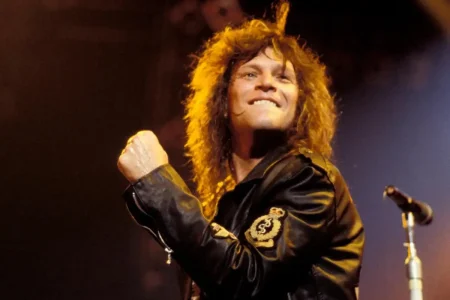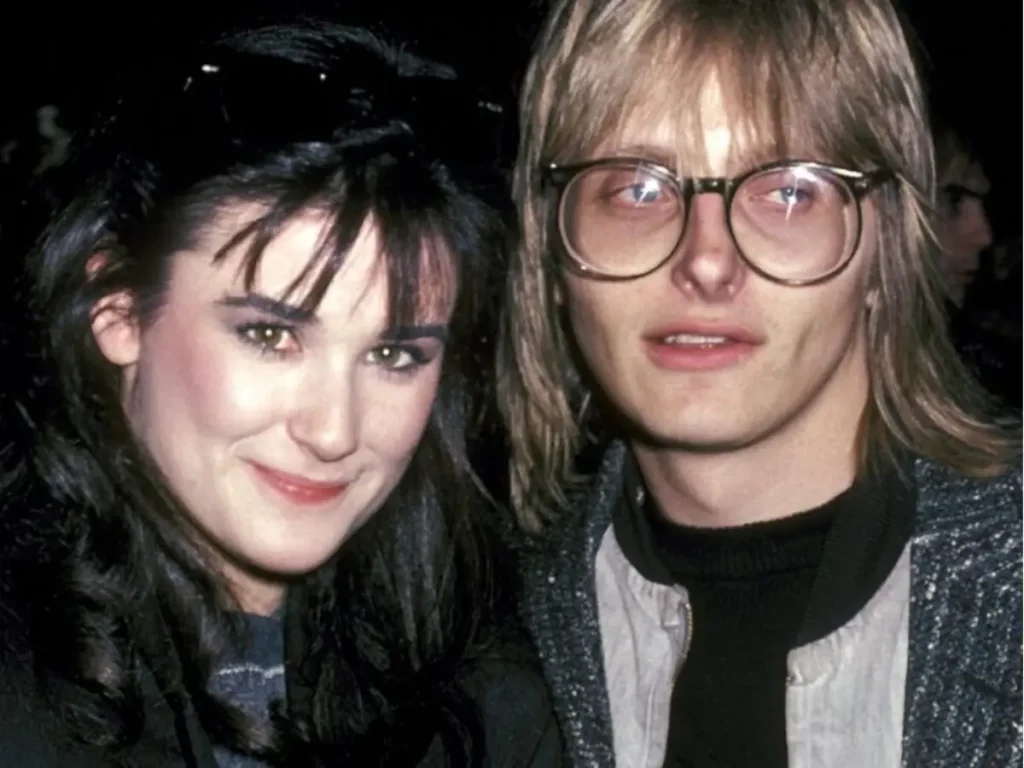
Demi Moore did not become “Demi Moore” in a Hollywood boardroom. The name, the persona and the mythology all crystallized in a cramped Los Angeles apartment with a nearly famous rock musician named Freddy Moore.
Their relationship produced no children, no mansions and no joint empire, yet it may be the most revealing chapter of her life. For music fans, it is also a snapshot of the late 70s and early 80s club scene, where power pop dreams, teenage bravado and adult compromise crashed into each other nightly.
From troubled teen to rocker’s muse
By her mid teens, Demi Guynes was already done with the kind of home life most people spend years trying to escape. She dropped out of high school, drifted into modeling and acting classes, and went looking for stability in the arms of older musicians rather than in any classroom.
In her memoir, she describes moving in with 28 year old bassist Tom Dunston the day after her 16th birthday, then leaving that relatively steady setup for 29 year old guitarist and singer Freddy Moore, who was still married to his high school sweetheart back in Minnesota.In her memoir
That one decision set up everything that followed: her first marriage, her stage name, her first songwriting credit and a lifelong tangle of guilt, grief and desire that would echo through her later, more public relationships.
The Troubadour encounter
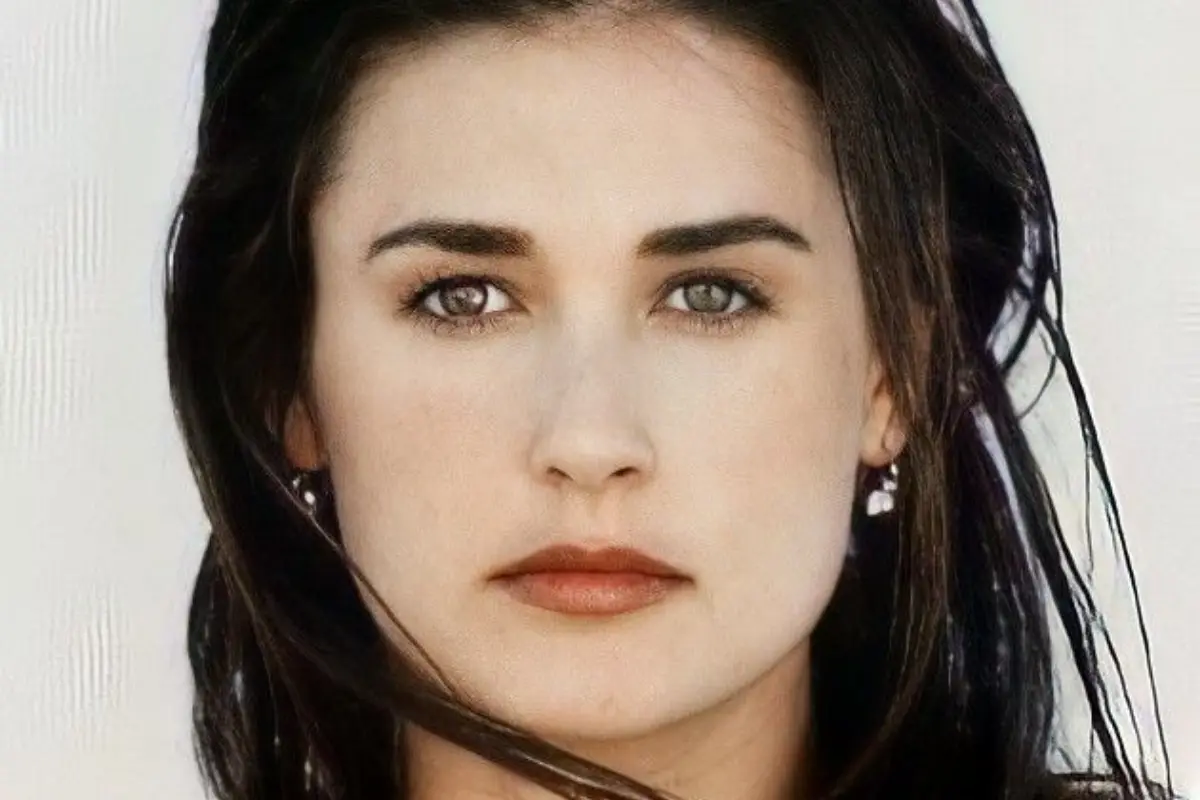
Film historian Emanuel Levy pins the start of the story to August 1979, when 16 year old Demi met Freddy at the legendary Troubadour club in Los Angeles. He was fronting the band Boy, already a minor fixture on the local power pop circuit, while she was still a struggling kid inspired by her glamorous neighbor Nastassja Kinski.
The chemistry was instant. Within months, Demi had moved into Freddy’s West Hollywood place, trading a chaotic family life for a different kind of volatility: late night gigs, industry hangers on and the seductive sense that she was finally part of a creative tribe.
Already someone else’s husband
There is no way to dress up the basic math. She was a teenager; he was pushing 30 and already someone’s husband. In her own retelling, Demi acknowledges that she barely considered the first wife’s pain and saw the affair in almost cinematic terms, as if stepping into a story she desperately wanted to star in, as she later detailed in Inside Out.
In the context of the late 70s rock scene, older male musicians with very young girlfriends were common, almost expected. That does not make the situation any less uncomfortable to modern eyes. If anything, it highlights how easily “romantic rebellion” can blur into exploitation when a vulnerable teenager is looking for rescue and the adult in the room is not inclined to say no.
Inside the Moore Moore marriage
The relationship was formalized on paper on 8 February 1981, when Demi, now 18, married 30 year old singer Freddy Moore. Biographical accounts point out that she had already started using his surname professionally by then, a branding decision that would outlast the marriage itself.
From the outside, it looked like a classic rock and roll starter marriage. He gigged in clubs and chased record deals; she modeled, took acting jobs and hustled for any break she could get. Inside the apartment, the roles were more old fashioned, with Demi trying to be the cool, supportive wife while still figuring out who she was.
The uneasy honeymoon
Years later, Moore said that across all three of her marriages she “changed herself” repeatedly to be who she thought her partners wanted, rather than who she actually was, a theme she explored in a candid Marie Claire interview. The behavior started early. Her father died shortly before the wedding, and she has admitted that she responded to that grief in the worst possible way.
Instead of calling off the wedding, she stayed on course and sabotaged it. In her memoir, she recounts cheating the night before she married Freddy, sneaking away from her own celebration to be with another man. She describes the infidelity not as wild passion but as a twisted attempt to reclaim control over a life that felt like it was racing ahead without her consent, an episode she revisits in that same reflection on her three marriages.
Writing “It’s Not a Rumour” together
For a brief window, though, the marriage did what rock romances are supposed to do: it sparked art. A caregiving profile of Freddy Moore notes that he is best remembered for the single “It’s Not a Rumour,” co written with then wife Demi and recorded with his band the Nu Kats, with Moore estimating that he ultimately wrote lyrics to around 1,000 original songs, as chronicled in a profile of his life and Alzheimer’s journey.
Demi did more than scribble a line or two. She appeared in the video, sang on recordings and got her first taste of royalty checks, however small. You could argue that before Hollywood turned her into a movie star, Freddy’s cult power pop world briefly turned her into a working musician.
Freddy Moore: the almost famous power pop lifer
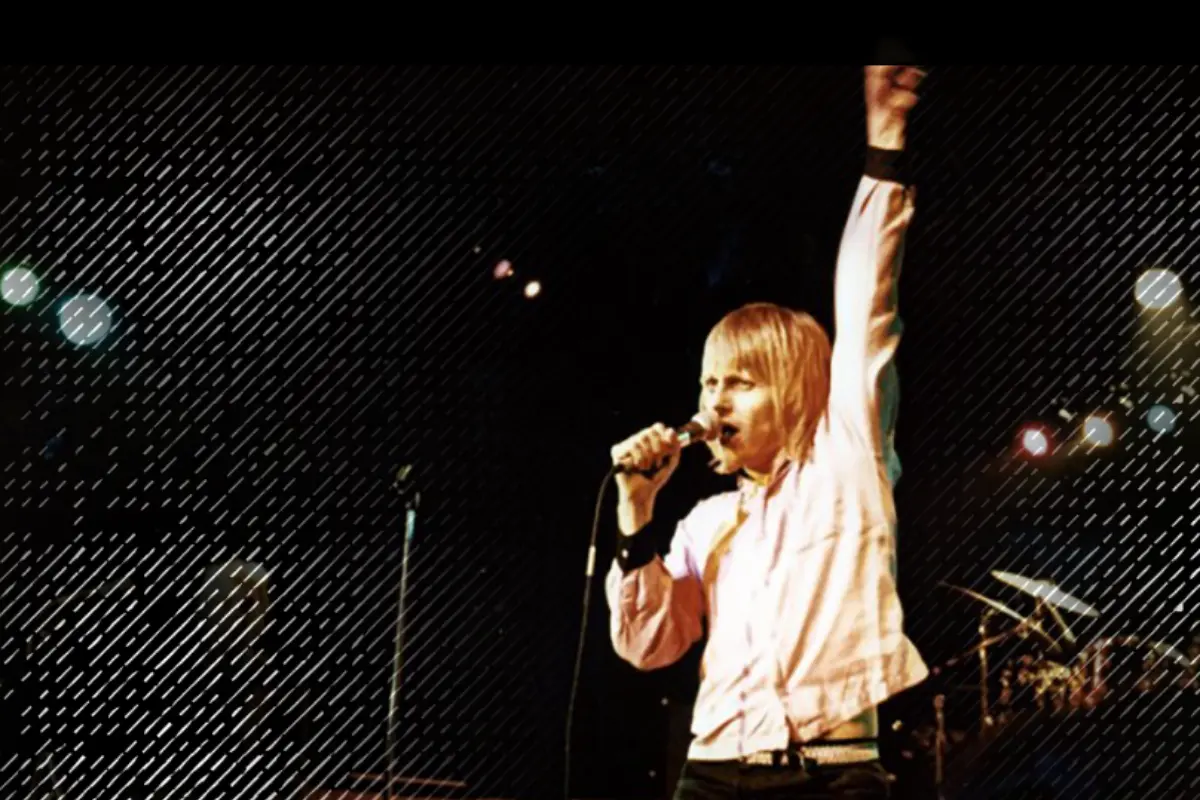
Frederick George “Freddy” Moore was not a footnote created by Demi’s fame. He was a Minneapolis kid who taught himself guitar in the 1950s, hit local stardom in the 60s with bands like Skogie and the Flaming Pachucos, then packed up for Los Angeles where Skogie evolved into The Kats, a hyperactive power pop outfit that came close to breaking through, as detailed on the It’s Not a Rumour memoir site.
According to the memoir site for “It’s Not a Rumour,” The Kats and their spin off groups sold out every major LA club of the era, from Madame Wong’s to the Whisky, and were offered multiple record deals that Moore stubbornly turned down to retain control of his songs. In the 90s and 2000s he effectively lived a double life, coding as a computer programmer by day and staying a songwriter at heart.The memoir
In his later years, early onset Alzheimer’s disease caught up with him, a cruel fate for a man whose life revolved around memory, melody and finely crafted hooks. The disease eventually ended both his programming career and his ability to perform, and he died in 2022 at 72, long after his brief tabloid moment as Demi Moore’s first husband had passed.His site
| Era | Band or role | What mattered |
|---|---|---|
| 1960s – early 70s | Skogie and the Flaming Pachucos | Regional success in Minneapolis, early original songwriting. |
| Late 70s | The Kats | Sold out LA clubs, eccentric frontman persona, turned down label deals. |
| Early 80s | The Nu Kats, Boy | Recorded “It’s Not a Rumour,” appeared on film soundtracks, acted in B movies. |
| 1990s – 2000s | Programmer and bandleader | Worked in computer programming while continuing to write and record. |
| 2010s – 2020s | Memoir subject | Documented life and Alzheimer’s journey in “It’s Not a Rumour.” |
Why this relationship still divides opinion
Read with a modern sensibility, Demi Moore’s account of the marriage is full of red flags. An Entertainment Tonight summary of her memoir notes that she admits to cheating on Freddy more than once and recalls that after their split he soon became involved with Renee, a teenage guitar student he had first taught at 14, who later became his third wife.
That detail reinforces what was already obvious from the origin story: this was an environment where much older male musicians routinely crossed paths with very young women and where lines about emotional maturity and power were blurred at best. No criminal accusations are involved in the published accounts, but the optics are troubling.
Moore herself refuses to cast the story as a one sided tale of victim and predator. She is unsparing about her own selfishness, even cruelty, as a teenager, and about how she used marriage as a distraction from trauma she was not ready to face. The controversy sits in that gray zone where personal responsibility and structural imbalance collide.
Why Demi kept his name
Legally, the marriage was short. The couple separated in the early 80s, and the divorce was finalized in 1985, yet Demi never reverted to Guynes. Coverage of her dating history routinely points out that she kept Moore’s surname as her professional identity long after their split.
By then, the name had already appeared on soap opera credits, magazine covers and film posters. Dropping “Moore” would have meant discarding the fragile career she had built on top of that starter marriage. Keeping it was both a savvy branding decision and a reminder that even a relationship you regret can shape who the world thinks you are.
What their story says about rock romance
Looked at from a safe distance, Demi and Freddy Moore’s relationship feels less like a grand love story and more like a perfectly 80s collision between a wounded teenager and a gifted, flattered musician who should have known better. It launched a movie star and preserved a songwriter in pop history as more than just a cult club act.
For music fans, it is a cautionary tale hidden inside a catchy power pop single. The L.A. scene gave Demi Moore a name, a marriage and her first taste of creative partnership. It also gave her a template for losing herself in other people’s expectations, a pattern she would spend decades trying to break.