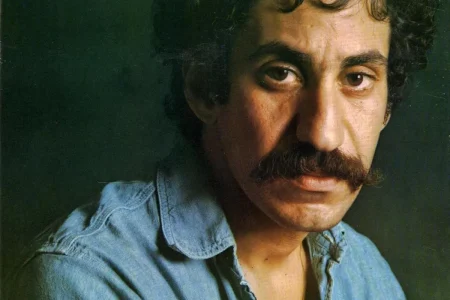
Country music loves a good origin story, especially one with a hospital bed, a near-death scare, and a love song so plainspoken it feels like it was carved into the wall with a thumbnail. The tale goes like this: in 1969, Marty Robbins suffers a massive heart attack, ends up in the hospital, and writes “My Woman, My Woman, My Wife” as a thank-you to his wife, Marizona, while staring down mortality.
It’s a story that gets repeated because it sounds true. And parts of it are true: the song exists, the devotion is obvious, and Robbins’ health really was a serious issue that shadowed his final years. But as with most country lore, the details have been polished until they shine. Let’s separate the facts we can verify from the romance we want to believe, and then zoom out to why this song still punches above its weight decades later.
The legend, the facts, and why the myth survives
“My Woman, My Woman, My Wife” is credited to Marty Robbins as songwriter and became one of his signature late-career records, widely associated with his enduring marriage to Marizona Robbins through its release and songwriting credits. The single’s cultural footprint is measurable: it’s the kind of song people quote at anniversaries, funerals, and “I don’t say it enough” moments.
What’s harder to verify is the most cinematic claim: that Robbins wrote it in the hospital immediately after a 1969 heart attack, and that he was among a tiny handful of patients to undergo a risky triple bypass at the time. Sources disagree or gloss over specifics, and many popular retellings recycle one another without documentation.
“I guess most of us don’t realize what we have until we almost lose it.” – Marty Robbins (attributed in fan and media retellings; precise primary documentation varies)
Rather than invent details, we’ll treat the hospital-bed writing as plausible but not provable based solely on widely circulated accounts. The deeper truth is still compelling: the song reads like a man taking inventory of his life and deciding his real trophy is the person who stayed for the unglamorous parts.
Who was Marizona, and why the name matters
Marizona is not a stage prop in Robbins’ story; she’s the axis. Robbins married Marizona in the 1940s, long before the hits and tours made the marriage harder, not easier. The Country Music Hall of Fame’s profile of Robbins notes her importance as part of the personal foundation behind his long career.
Even her name has become part of the mystique. “Marizona” is unusual enough that it stops you, which fits the song’s emotional framing: this isn’t a generic “my girl” ballad. It’s a very specific man talking to and about a very specific woman.

“My Woman, My Woman, My Wife”: what the song actually does (musically and emotionally)
On paper, the lyric is almost aggressively simple: she’s there in the hard times, she’s loyal, she’s steady, and he’s grateful. That simplicity is the trick. Robbins wrote plenty of story-songs with cinematic detail across his catalog, but here he strips away scenery and leaves only the relationship.
Why the lyric hits older listeners especially hard
This is not the fantasy of young love. It’s the realism of endurance: bills, worry, disappointments, and the quiet heroism of showing up anyway. That’s why it plays so well to audiences who have lived long enough to understand that romance is a verb.
A quick lyrical “engineering” breakdown
| Song element | What it achieves |
|---|---|
| Repeated title phrase | Turns a private affirmation into a mantra you can sing. |
| Ordinary language | Makes the sentiment believable, not poetic for poetry’s sake. |
| Confessional tone | Frames gratitude as something earned through struggle. |
| Balanced melody | Supports the lyric without stealing attention from it. |
Did a heart attack and bypass surgery shape the song?
Robbins’ later life was marked by serious health issues, and he ultimately died at 57 after cardiac problems and surgery complications – a timeline summarized in his biographical overview. That alone makes it reasonable to hear “My Woman, My Woman, My Wife” as a man writing with an awareness that time is not guaranteed.
To understand the “triple bypass” claim in context, it helps to remember what bypass surgery meant to the public imagination in the late 1960s and early 1970s. Coronary artery bypass grafting (CABG) was still evolving as a major procedure, and its early history is closely tied to the rapid growth of cardiac surgery in that era, as outlined in a historical review of early bypass-surgery development.
Whether Robbins’ operation was exactly a triple bypass in 1969 is difficult to confirm from open, authoritative sources accessible today. But the larger point stands: a heart attack is a life-altering event that forces a blunt conversation with mortality.
The Grammy win: verified impact, not just sentimental value
Whatever its exact writing conditions, the song was not a niche album track that fans later “discovered.” It was a mainstream success in country circles and, crucially, it crossed into the Grammy conversation. The Recording Academy’s official Grammy site lists “My Woman, My Woman, My Wife” among Robbins’ Grammy-recognized work and win.
That matters because it shows the industry heard the same thing listeners did: this wasn’t cleverness. It was emotional accuracy.
Edgy take: country music sells machismo, but this song is the real flex
Country has always marketed toughness: outlaw myths, hard-drinking barroom heroes, men who never beg and never break. But here’s the provocative claim: “My Woman, My Woman, My Wife” is tougher than most ‘tough-guy’ country hits.
Why? Because it’s a man admitting dependence. Not romantic dependency as weakness, but the grown-up truth that the strongest people still need someone to steady them. In a genre that often treats vulnerability like a guilty pleasure, Robbins makes it the main event.
How to listen like a musician: 5 details to notice
- Breath and phrasing: Robbins delivers lines like he’s talking, not “performing,” which sells sincerity.
- Dynamic restraint: The arrangement doesn’t chase big drama, because the lyric already has stakes.
- Warmth over flash: Tone and clarity matter more than vocal acrobatics.
- Sentence-level hooks: The title phrase is structured to be remembered after one listen.
- Emotional pacing: The song avoids melodrama, which is why it lasts.
What we can responsibly say about the hospital-bed origin story
Some articles and fan sites confidently repeat that Robbins wrote the song while hospitalized after a heart attack, often specifying 1969 and a triple bypass. Those claims are common, but their sourcing is often thin. For example, one widely circulated summary of the story repeats the account in overview form rather than as a documented first-person record.
So here’s the responsible stance: the song is unquestionably about Marizona and gratitude, and Robbins’ heart problems were real and serious. The “written in the hospital bed” detail is best treated as tradition unless you can trace it to a direct interview, manuscript note, or contemporaneous reporting.
Marty Robbins beyond the ballad: a reminder of his range
It’s tempting to freeze Robbins as the tender husband in this story, but his career was broader and weirder in the best way. The Country Music Hall of Fame highlights his versatility across styles and his stature as both singer and songwriter.
And yes, he even lived a second life that feels like a different American myth: Robbins was also a race-car driver, a detail that biographies love because it clashes so hard with the sensitive balladeer image. That tension is part of what makes him fascinating: the guy who could sing gunfighter epics could also write a love song that refuses to posture.

Conclusion: why “My Woman, My Woman, My Wife” stays immortal
The song endures because it doesn’t chase youth, novelty, or swagger. It chases something rarer: the plain truth that love looks like loyalty over time. Whether Robbins wrote it in a hospital bed or at home with a pen and a lump in his throat, it lands the same way: as a public thank-you for a private life.
And maybe that’s the real lesson. The greatest country songs aren’t always born from masterful technique. Sometimes they’re born from the moment a man realizes he almost ran out of tomorrows, and the person who kept his world together is sitting right there.