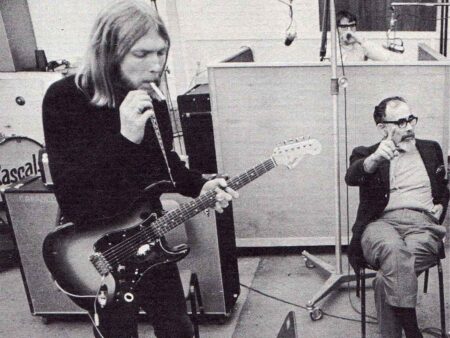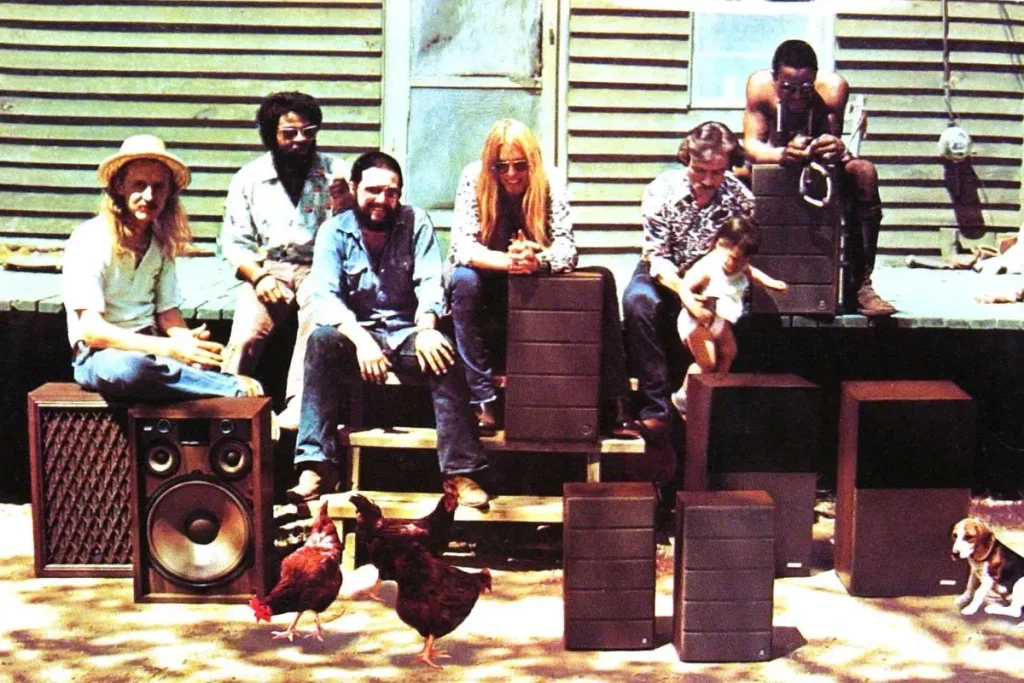
Most rock bands claim they “jammed it out.” The Allman Brothers Band actually built their most famous arrangements that way, like carpenters framing a house while living inside it. In a Jas Obrecht interview, Dickey Betts describes the group’s process with almost suspicious simplicity: a song would arrive as a bare acoustic sketch, then the band would raid the previous night’s improvisations for usable parts until the final architecture appeared. That is not romantic myth-making. It is a workflow.
“When Gregg brought the song to present to the band, he just strummed it on acoustic guitar and sang it. So all the parts and the arrangement and all that was just taken from just jamming together a lot.” Dickey Betts, interviewed by Jas Obrecht
Betts’ point matters because it clashes with the tidy “genius songwriter” story people like to tell about classic rock. The Allmans’ genius was also logistical: they turned improvisation into repeatable, dramatic, audience-proof arrangements. And in that same interview, Betts draws a hard line around another truth: Duane Allman was not just a strong player in a strong band. In Betts’ view, Duane was the electric slide benchmark of that era, and the force that made the whole machine happen.
The Allman Brothers’ secret weapon: treating the jam like a drafting table
Plenty of groups improvise. The Allmans systematized it. They didn’t merely stretch songs live; they used jamming as a compositional lab, then “locked” the best discoveries into official parts that could survive on stage, on tape, and across tours.
The band’s own official biography emphasizes that the Allman Brothers developed a distinctive sound by blending blues, jazz, and rock and by leaning into extended improvisation as a core identity, not an occasional indulgence. That identity wasn’t accidental, and it wasn’t limited to solos. It shaped how intros, turnarounds, harmonies, and dynamics were constructed.
Jam-derived arranging: what it really means
When Betts says “that’s all of it,” he’s describing an arranging practice with a few consistent moves. If you listen closely, you can almost hear the decisions being made in real time: someone suggests a figure, the other guitar answers, the rhythm section locks, and the band keeps it if it survives repetition.
- Start with a simple song core: chords, melody, lyric, feel.
- Jam around it: explore grooves, key centers, and tension points.
- Promote the best accidents: a riff, a stop-time hit, a unison climb becomes “the part.”
- Rehearse the transitions: the real arranging is how you get in and out of the hot sections.
- Perform it until it hardens: audience response becomes the final editor.
This is why the Allman Brothers could sound loose while being surprisingly organized. The looseness was earned, not sloppy.
“Whipping Post”: from Gregg’s acoustic strum to a live colossus
“Whipping Post” is the perfect case study because it contains both extremes: a simple, haunted song core and a sprawling performance identity. The song is widely associated with the band’s live dominance, especially in their early-70s peak as captured in the song’s history and legacy.
Betts’ recollection is vivid: Gregg Allman shows up with the song on acoustic guitar, and the band builds everything else through collective improvisation. That means the intensity we now treat as “the composition” is largely the product of group arrangement, not just writing.
Why this method created heavier music than “heavy metal” (without sounding like it)
Here’s a provocative claim that holds up under listening: the Allman Brothers often achieved heaviness without relying on the obvious metal toolkit. They used duration, repetition, and dynamic escalation to make emotional weight feel unavoidable. “Whipping Post” doesn’t crush you because it’s tuned down. It crushes you because it keeps walking you back into the same pain until you stop resisting it.
Basic background on the song’s authorship and place in the catalog helps explain why it remains such a durable pillar of the band’s public identity.
Duane Allman’s contribution: the slide, the leadership, and the nerve
Asked what Duane contributed “to the guitar,” Betts doesn’t hedge. He puts Duane’s electric slide playing on a pedestal for that period and also credits him with assembling the band and making it work. That second part is easy to understate if you only focus on solos.
Duane Allman’s standing as a top-tier player is repeatedly affirmed in guitar history, including major canon lists that rank him among the greatest guitarists; the leadership piece matters just as much when you’re talking about how a band becomes a band.
Why Duane’s electric slide still feels like a flex
Slide guitar can be a gimmick: a few swoops, a few blues licks, a few noisy glisses, and you’re done. Duane treated slide like a lead voice with intonation standards closer to a singer or horn player. He could be lyrical, then savage, then lyrical again, often inside the same phrase.
One reason Duane’s slide era-defining status persists is that major guitar canon-makers keep re-affirming it. Rolling Stone’s “100 Greatest Guitarists” list places Duane Allman at the very top tier, reinforcing how widely his playing is still regarded decades later.
The “two lead guitars” idea is only half the story
The popular shorthand for the Allmans is “twin guitars,” and yes, the harmonized lines are iconic. But the deeper innovation was role switching. Betts and Duane didn’t just harmonize; they traded responsibilities like a jazz front line, and they arranged those swaps into the music so the songs breathed.
That approach is part of why the Allman Brothers mattered to Southern rock and beyond, a point explored by the New Georgia Encyclopedia’s history of the band’s cultural impact.
A practical listening map: what to pay attention to
If you want to hear jam-built arrangement in action, focus on these elements instead of only chasing solos.
| Listen for | What it reveals |
|---|---|
| Repeated signature figures | Former improvisations promoted into “official” parts |
| Planned dynamic ramps | Improvisation with a destination, not endless noodling |
| Call-and-response between guitars | Conversation, not competition |
| Rhythm section cue points | Transitions are arranged even when solos are free |
| How the ending is handled | Great jam bands land the plane on purpose |
At Fillmore East: the jam philosophy captured on tape
If the Allman Brothers’ studio work shows the blueprint, At Fillmore East shows the building standing up in real weather. It’s regularly treated as one of rock’s essential live documents, and it’s also a lesson in how a band can be both improvisational and tight.
Rather than a single-night fluke, that peak-era sound is easier to understand once you trace Duane Allman’s early musical output and context alongside the band’s onstage evolution.
Edgy but useful takeaway: “jam band” is not a compliment unless the arrangements are real
Some bands hide weak songwriting behind extended playing. The Allmans did almost the opposite: they used extended playing to strengthen the songs, because the improvisation was mined for structure. If your jam doesn’t produce memorable parts that can be repeated, it is not arranging. It is procrastination with amplifiers.
Dickey Betts: the melodic counterweight that kept the band from drowning in blues gravity
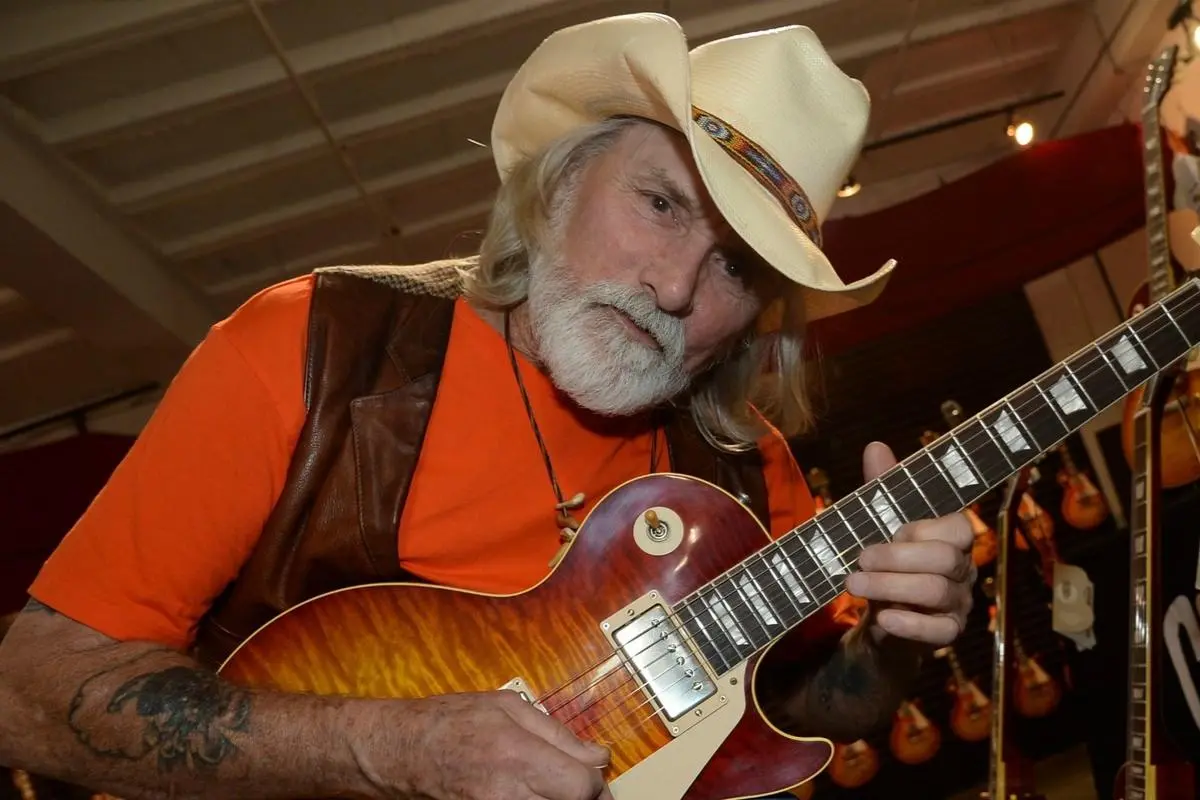
Duane often gets the mystique, but Betts supplied a different kind of power: melody that could function like a hook without sacrificing musicianship. He wrote and co-wrote signature material and played with a singing, major-key optimism that broadened the band’s emotional range.
The Associated Press hub page on Dickey Betts collects reporting and context around his career and legacy, underscoring his stature beyond just being “the other guitarist.”
Three Betts moves worth stealing (even if you’re not a Southern rock player)
- Target chord tones, then decorate: his lines often feel inevitable because they outline harmony clearly.
- Build motifs, not just runs: he repeats ideas and reshapes them rather than constantly changing vocabulary.
- Leave air: space makes the next phrase sound smarter and the band sound bigger.
SongFacts’ entries on “Ramblin’ Man” and “Jessica” offer accessible background on two of Betts’ most famous compositions and how they fit into the band’s public story.
Want to write like the Allmans? Try “arrangement by jamming” on purpose
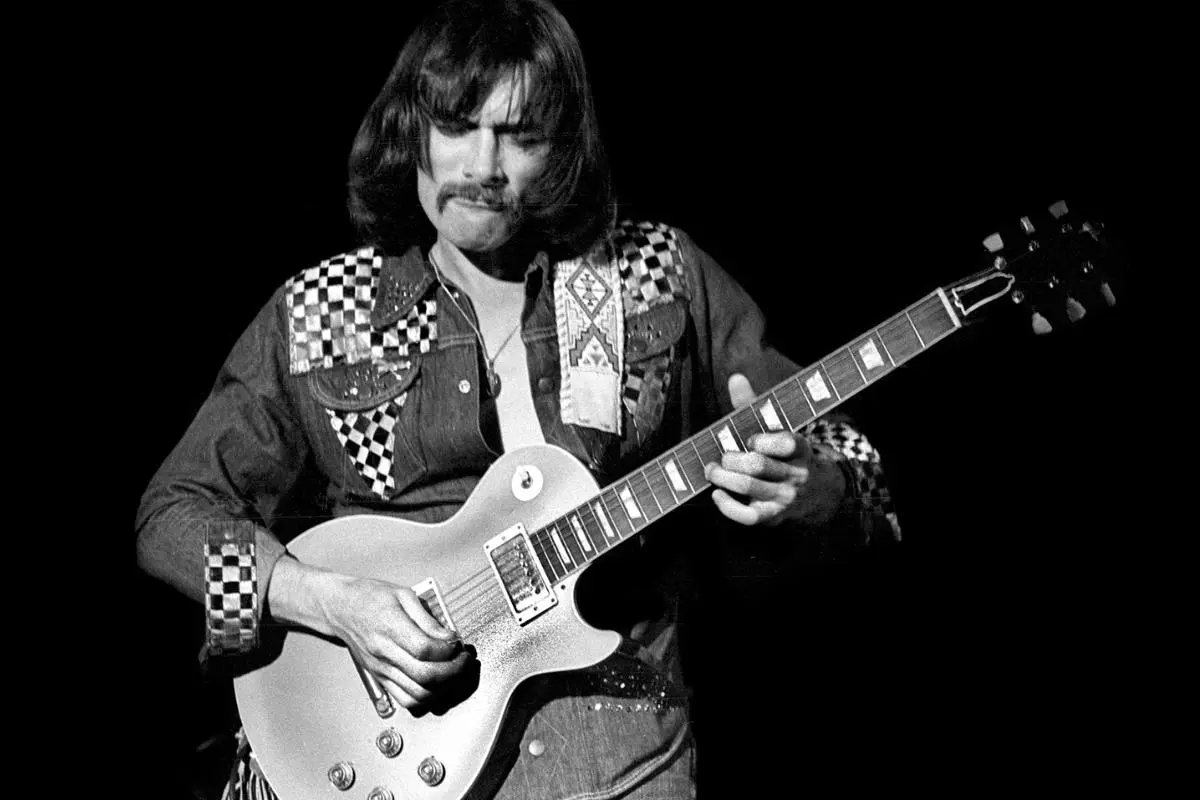
You don’t need two drummers and a tour bus to borrow this method. What you need is discipline: record rehearsals, name the sections, and agree on transitions. The magic is not “jamming.” The magic is editing the jam into something you can deliver night after night.
A simple rehearsal template
- Jam for 10 minutes on a groove or chord loop while recording.
- Immediately review and mark time stamps for great moments.
- Pick one moment to become a fixed riff or turnaround.
- Rehearse the transition into and out of it until it’s automatic.
- Repeat next rehearsal and gradually assemble a full arrangement.
Conclusion: the real legacy is the system
Dickey Betts’ comments cut through mythology: the Allman Brothers didn’t just happen to be good at jamming. They used jamming to compose. And Duane Allman’s contribution wasn’t only his electric slide brilliance; it was the leadership and conviction to build a band where improvisation became a reliable machine for making classics.
If you want to honor that legacy as a listener or player, don’t just worship the solos. Study the decisions that made the solos possible, then go jam with a pencil in your hand.