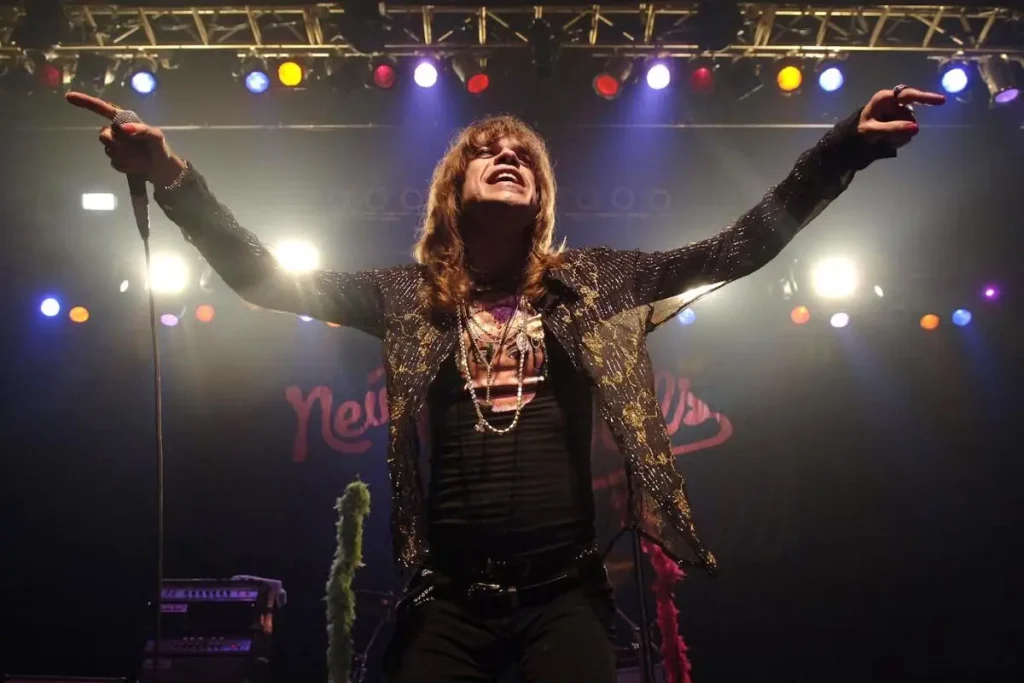
In June 2004, the unlikeliest comeback in rock shuffled into the Royal Festival Hall in platform boots and smeared lipstick. At Morrissey’s invitation, the surviving New York Dolls plugged in for the first time in nearly thirty years, greeted like returning villains rather than nostalgic heroes. For one night, punk’s trashiest myth suddenly became flesh again.
Weeks later, it was over. Bassist Arthur “Killer” Kane would be dead from leukemia before summer properly ended, and the reunion that looked like a new chapter turned out to be a filmed goodbye. For David Johansen, already living a second life as lounge lizard Buster Poindexter, it was a brutal reminder that rock history rarely offers tidy encores.
The Dolls: glam wrecks who rewired rock
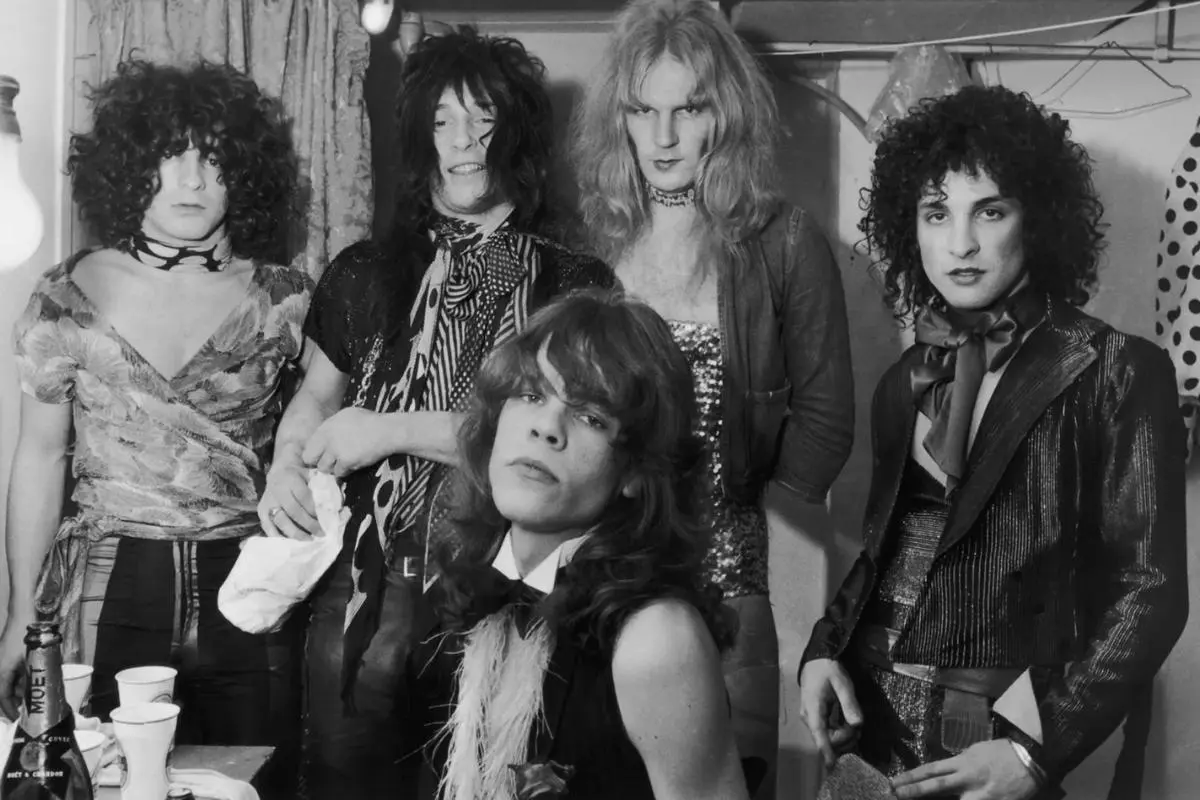
When the New York Dolls first lurched out of Manhattan clubs in the early 1970s, they were sloppy even by local standards. Two albums – 1973’s self-titled debut and 1974’s “Too Much Too Soon” – barely sold, but their mix of hard rock, girl group hooks and drag-queen theater became a template for punk and glam metal alike. Bands from the Ramones and Sex Pistols to Kiss and the Smiths would later admit they stole liberally from the Dolls’ attitude, sound and wardrobe.
With that influence came a body count that would become part of their legend. Drummer Billy Murcia died before they even cut a record, Johnny Thunders and Jerry Nolan followed in the 1990s, and by the 2000s the Dolls were better known as a cautionary tale than a working band. For most fans, seeing them again felt about as likely as catching a fresh Ramones gig.
Morrissey the teenage superfan, plotting a resurrection
One teenager paid closer attention than anyone: Steven Morrissey from Manchester. Long before he fronted the Smiths, he ran the Dolls’ UK fan club and even wrote a slim 1981 book about them, treating the band like sacred scripture instead of American trash.
That obsessive fandom never really cooled. Given the chance to curate London’s Meltdown Festival in 2004, Morrissey did what obsessive fans fantasise about but almost never pull off – he called his teenage heroes and asked them to get the band back together. For once, the past picked up the phone.
Meltdown 2004: the one-night resurrection
On 16 June 2004, the Royal Festival Hall stopped being a polite arts venue and briefly turned into a downtown New York dive. Johansen, Kane and guitarist Sylvain Sylvain were joined by hired guns to fill the holes left by dead comrades, tearing through “Looking for a Kiss”, “Subway Train”, “Trash”, “Jet Boy” and an encore of “Personality Crisis” like they had been kept in cold storage since 1973.
Morrissey had the good sense to capture it. The shows became the CD and DVD “Morrissey Presents: The Return of the New York Dolls“, released on his Attack label and, chillingly, destined to be the last recorded appearance of Arthur “Killer” Kane.
| Date (2004) | Event |
|---|---|
| June 16 | New York Dolls reunion at Royal Festival Hall, London |
| Late June – early July | Further festival shows and new touring plans discussed |
| July 13 | Arthur “Killer” Kane dies suddenly in Los Angeles |
Arthur “Killer” Kane’s last run-up
Arthur Kane shuffled into that London gig from a very different world. After years of alcoholism, violence and near death, he had converted to the Church of Jesus Christ of Latter-day Saints, worked quietly in a family history library in Los Angeles and befriended filmmaker Greg Whiteley, who began documenting his unlikely shot at getting the Dolls back together.
To Kane, Meltdown was not just another nostalgia gig; it was the fulfilment of a thirty-year obsession. He tracked down his old bass from a pawn shop, leaned on church friends to help him make the trip, and nervously rehearsed old lines with men he had once blamed for his downfall. On stage in London, the hulking ex-glam casualty finally looked like a working musician again.
On 13 July 2004, back in Los Angeles, Kane checked himself into an emergency room complaining of what he thought was flu. He was quickly diagnosed with acute leukemia and died within two hours at the age of fifty five, only about three weeks after the reunion show.
New York Doll: grief captured on film
The footage Whiteley had been quietly gathering became “New York Doll“, a 2005 documentary that follows Kane from Mormon library stacks to the Royal Festival Hall stage and back to Los Angeles. Critics warmed to its mix of punk lore and spiritual humility, and the film now sits with a 90 percent rating on Rotten Tomatoes for its tender, bittersweet portrait of a forgotten bassist getting one last shot.
If you were ever suspicious of rock documentaries, this one is a gut punch. There is no triumphant stadium tour; the happy ending stops at the side of the Royal Festival Hall stage. In its place you get a middle aged man clutching his bass like a life raft and then vanishing from the frame.
Johansen, Buster Poindexter and the cost of survival
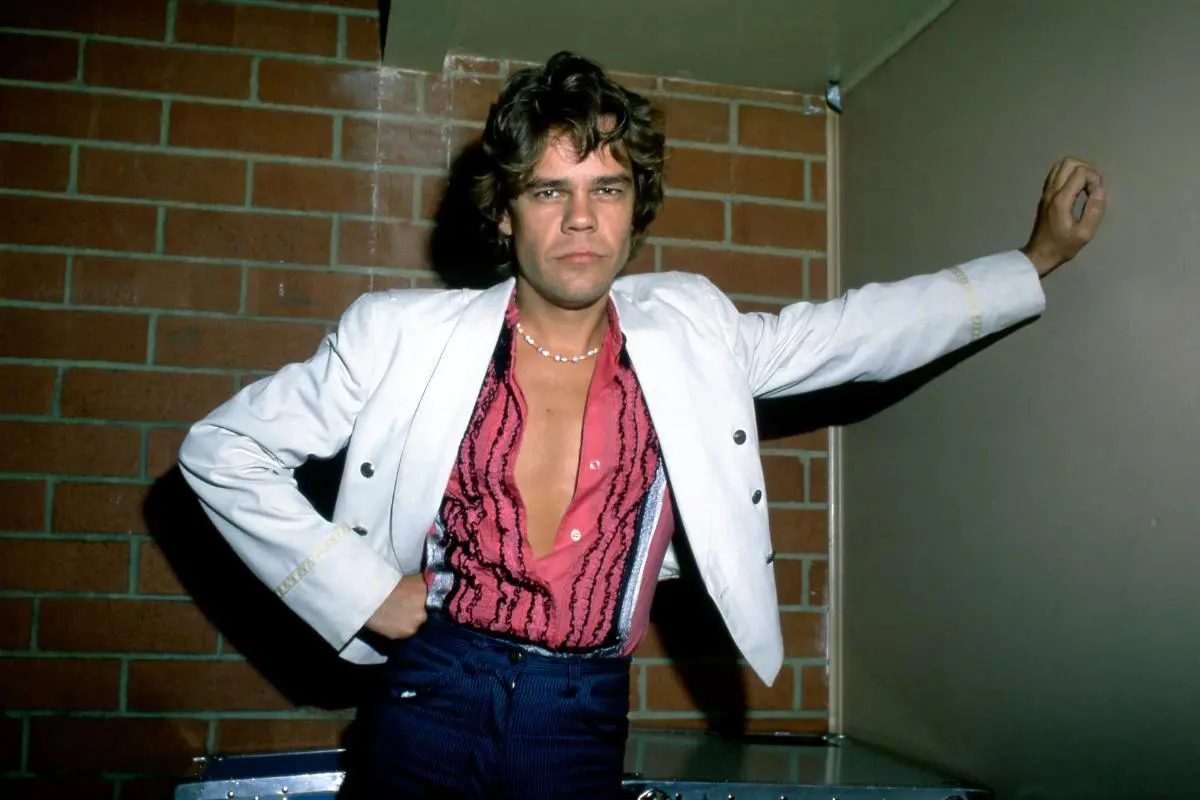
Johansen, by contrast, survived long enough to watch his own legend calcify. After the Dolls imploded in the 1970s, he re-emerged in the 1980s as Buster Poindexter, a martini sipping lounge singer who scored a mainstream hit with “Hot Hot Hot”, acted in films like “Scrooged”, dived into blues with the Harry Smiths and, decades later, was honoured in a Martin Scorsese documentary about his cabaret work.
That shape shifting came at a price. For years he had effectively parked the snarling street urchin of “Personality Crisis” in a back room, only letting him out in tiny clubs or irony drenched encores. Meltdown 2004 yanked that character back under bright lights, complete with old moves, old scars and an old friend whose life had come entirely off the rails.
From the balcony, Morrissey later admitted he was paralysed watching it all, overwhelmed by the sight of his teenage idols finally solid on stage but haunted by the ghosts of Johnny Thunders and Jerry Nolan. He spoke of the “insane symbolism” and “harsh romanticism” that seemed to follow the Dolls, noting that these were the last nights Kane ever played, which only deepened the sense that fate was treating the band like a cruel art project.
Why that night still haunts rock fans
Most cult bands get a cosy reunion and a slot on the nostalgia circuit; the Dolls got a brief resurrection followed by a death roll. By the mid 2000s four original members were already gone, and in the years since, guitarist Sylvain Sylvain and finally Johansen himself have died, leaving not a single surviving member of the classic line up.
For listeners raised on the Stones, the Pistols or the Ramones, that Meltdown show now plays like a missing chapter rather than a curiosity. If the Sex Pistols are punk’s poster boys, the New York Dolls are the mugshot pinned above them – older, weirder and far more battered. Hearing those songs at Royal Festival Hall was like discovering the rough demo to half your record collection.
How to revisit that night
- Play the original “New York Dolls” and “Too Much Too Soon” back to back, listening for the raw guitar tones and Kane’s oddly melodic bass lines.
- Watch “New York Doll” with the live album on hand, so you can flip between the film’s close ups and the full band roar from Royal Festival Hall.
- Compare Johansen’s Buster Poindexter records to the Meltdown set; few singers have sounded that different while still being recognisably themselves.
Rock fans of a certain age like to pretend their favourite bands are frozen in time, always gig ready in their prime. The New York Dolls reunion at Meltdown 2004 shattered that illusion: one ecstatic night, one last roar, and the door slammed shut almost as soon as it opened.